
Mike Tyson Workout Routine: A Comprehensive Guide
Delve into the ferocious training methods of a boxing legend! This guide details Tyson’s rigorous regimen, offering insights into his unparalleled power and speed.
Mike Tyson’s name is synonymous with explosive power, relentless aggression, and a physique sculpted for dominance. But beyond the intimidating presence and devastating knockouts lay a meticulously crafted training regimen, honed over years under the watchful eye of legendary trainer Cus D’Amato.
This wasn’t simply about lifting weights; it was a holistic approach encompassing intense physical conditioning, specialized boxing drills, and a profound emphasis on mental fortitude. Tyson’s physique wasn’t naturally gifted – it was built.
He transformed from a troubled youth into arguably the most feared heavyweight champion in boxing history through sheer dedication and a revolutionary training philosophy. This guide aims to dissect that philosophy, providing a comprehensive overview of the methods that forged the “Iron Mike” physique.
Early Career Training (1985-1987): Building the Foundation
The period between 1985 and 1987 was crucial in establishing Tyson’s signature style and formidable strength. Under Cus D’Amato’s guidance, the focus wasn’t on bulking up, but on developing functional strength, speed, and an unwavering mental game. Training was intensely focused on boxing fundamentals – proper stance, footwork, and punch mechanics.
D’Amato believed in building a fighter from the ground up, prioritizing technique over sheer muscle mass. This phase involved countless hours of rope skipping, neck strengthening exercises, and rigorous sparring sessions.
The goal was to create a fighter who was both incredibly powerful and exceptionally agile, capable of overwhelming opponents with a relentless barrage of precise strikes. This foundational period laid the groundwork for Tyson’s future success.
Focus: Speed & Explosiveness
Central to Tyson’s early training was the relentless pursuit of speed and explosive power. Cus D’Amato understood that a fighter could be strong, but without speed, that strength was limited. Therefore, the training regimen heavily emphasized exercises designed to enhance reaction time, hand speed, and the ability to generate force rapidly.
This wasn’t about lifting the heaviest weights; it was about moving weights – and the body – with maximum velocity. Drills focused on quick, powerful movements, mimicking the rapid combinations Tyson would employ in the ring.
The aim was to make every punch land with devastating impact, turning Tyson into a whirlwind of controlled aggression.
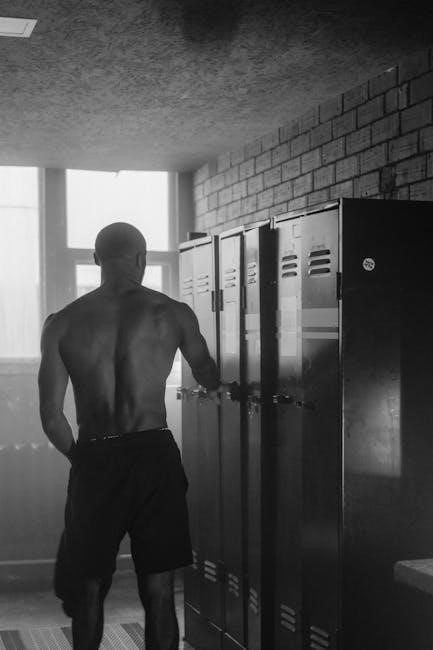
Key Exercises: Plyometrics & Heavy Bag Work
Plyometrics formed a cornerstone of Tyson’s speed and explosiveness development. Exercises like jump squats, box jumps, and medicine ball throws were crucial for building reactive strength – the ability to quickly transition from eccentric to concentric muscle contractions. These drills trained the nervous system to fire more rapidly, enhancing punch velocity.
Alongside plyometrics, heavy bag work was paramount. However, it wasn’t simply about power; it was about speed on the bag.
Tyson focused on throwing rapid combinations, maintaining a high work rate, and perfecting his technique. This combination built both endurance and devastating striking power.
Peak Performance Training (1987-1990): The Undisputed Champion
During his reign as the undisputed heavyweight champion, Tyson’s training reached its zenith. This period saw a refinement of existing methods, focusing on maximizing power, speed, and endurance. Training volume increased, but with a greater emphasis on intensity and quality over sheer quantity.
Workouts became more tailored to opponents, analyzing weaknesses and developing specific strategies.
Strength training was integrated seamlessly with boxing drills, ensuring functional strength that translated directly to the ring. Recovery protocols were also prioritized, recognizing the importance of allowing the body to adapt and rebuild.
Strength Training Regimen: Compound Lifts
Tyson’s strength training wasn’t about building massive bulk; it was about developing explosive power and functional strength. His regimen heavily featured compound lifts – exercises that work multiple muscle groups simultaneously. These included squats, deadlifts, bench presses, and overhead presses, all performed with a focus on speed and controlled movements.
He favored lower repetitions with heavier weights, aiming to build raw strength and power. Variations like Romanian deadlifts and incline presses were also incorporated to target specific muscle groups and address potential weaknesses.
Proper form was paramount, minimizing the risk of injury and maximizing effectiveness.
Cardiovascular Conditioning: Roadwork & Interval Training
Beyond brute strength, Tyson possessed incredible stamina, a product of relentless cardiovascular training. Roadwork formed the cornerstone of his conditioning, typically involving long-distance runs – often exceeding five miles – performed at a consistent, moderate pace. However, it wasn’t just about endurance.
Interval training was crucial, incorporating sprints and high-intensity bursts interspersed with periods of recovery. This method mimicked the stop-and-start nature of boxing, improving his anaerobic capacity and ability to recover quickly during rounds.
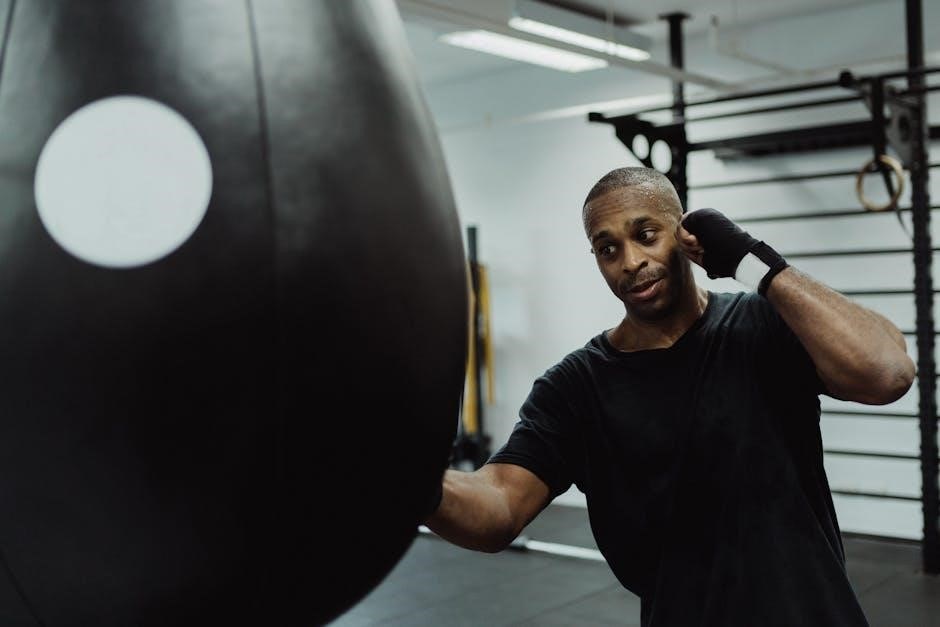
Hill sprints were also frequently utilized, adding resistance and further enhancing leg power.
The Cus D’Amato Influence: Beyond Physicality
Cus D’Amato, Tyson’s legendary trainer, understood that boxing was far more than just physical prowess. He instilled a holistic approach, emphasizing mental fortitude and psychological preparation as integral components of success. D’Amato believed in cultivating a relentless, almost primal aggression within Tyson, coupled with unwavering self-belief.
Training wasn’t solely about perfecting technique; it was about building an unbreakable spirit. D’Amato employed rigorous mental exercises, demanding absolute focus and discipline. He fostered a deep understanding of fear and how to overcome it, transforming Tyson into a fearless competitor.
Mental Fortitude & Visualization Techniques
Mike Tyson’s dominance wasn’t solely built on physical strength; a crucial element was his unwavering mental game. D’Amato heavily emphasized visualization, urging Tyson to repeatedly mentally rehearse fights, anticipating every opponent’s move and his own reactions. This practice aimed to instill confidence and reduce anxiety under pressure.
Tyson practiced self-affirmations, building an unshakeable belief in his own power and ability to win. He cultivated a ruthless, almost detached mindset, essential for facing opponents with unwavering aggression. This mental preparation was as vital as the physical training, forging a champion’s resolve.
The “Peek-a-Boo” Style & Reflex Drills
Central to Tyson’s fighting style was the “Peek-a-Boo” technique, developed by Cus D’Amato. This involved a high guard, constant head movement, and slipping punches, making Tyson a notoriously difficult target. Reflex drills were paramount in mastering this style, honing his ability to react instantaneously to incoming attacks.
D’Amato utilized a unique method – having assistants throw objects at Tyson unpredictably, forcing him to react and evade. This sharpened his reflexes and spatial awareness. These drills weren’t about power, but about speed, precision, and instinctive defense, forming the foundation of his devastating counter-punching ability.
Post-Prison & Comeback Training (1995-1996): Rebuilding the Machine
Following his release from prison, Tyson’s training underwent significant adjustments. Years of inactivity and a changed lifestyle necessitated a careful rebuilding process, prioritizing regaining lost conditioning and addressing potential vulnerabilities. The focus shifted from purely explosive power to a more sustainable, endurance-based approach.
Trainer Buddy McGirt implemented a regimen emphasizing higher volume sparring, longer roadwork sessions, and meticulous attention to technique. Injury prevention became crucial, incorporating extensive stretching and rehabilitation exercises. While retaining core elements of the D’Amato style, the comeback training acknowledged Tyson’s age and past experiences, aiming for calculated aggression rather than reckless abandon.
Adapting to Age & Injury Prevention
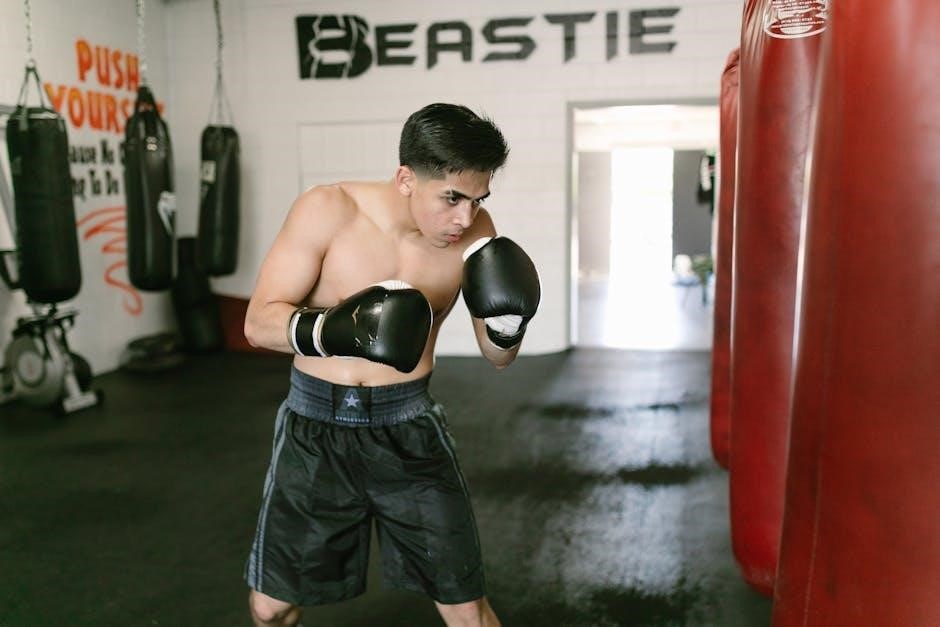
As Tyson matured, his training evolved to mitigate age-related decline and address accumulated injuries. The relentless intensity of his younger years gave way to a more strategic approach, prioritizing longevity and minimizing risk. This involved significantly increased warm-up routines, incorporating dynamic stretching and mobility work to prepare muscles and joints for strenuous activity.
Cool-down periods were equally emphasized, featuring static stretching and foam rolling to promote recovery and reduce muscle soreness. Strength training focused on maintaining power while enhancing joint stability, utilizing lighter weights and higher repetitions. Regular physiotherapy and massage therapy became integral components, proactively addressing potential problem areas.
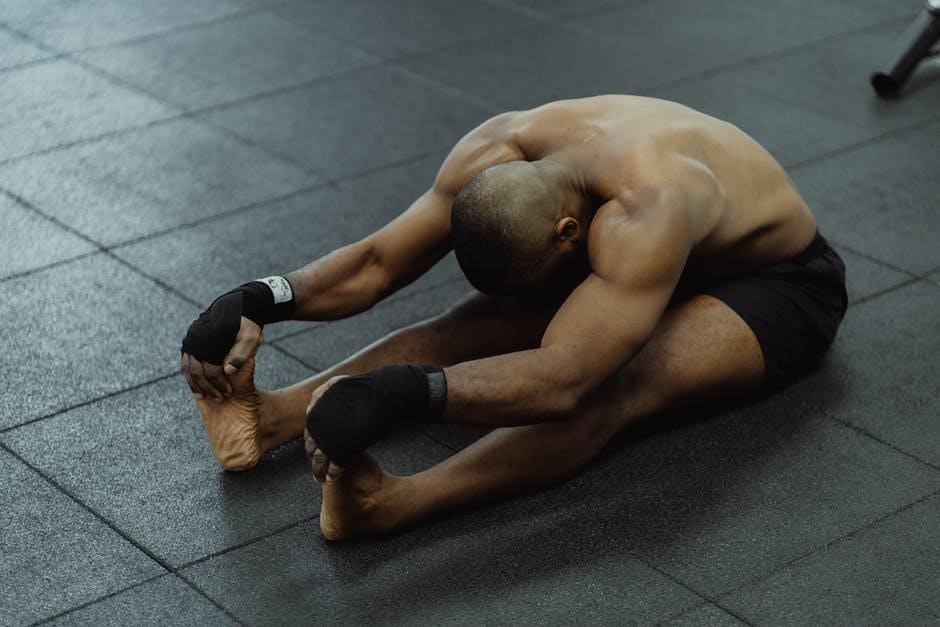
Emphasis on Core Strength & Flexibility
Beyond explosive power, Tyson’s training heavily emphasized a robust core and exceptional flexibility. A strong core was fundamental for generating rotational force in punches and maintaining balance under pressure. Exercises like Russian twists, wood chops, and plank variations were staples, building stability and preventing injury.
Flexibility wasn’t merely about achieving a wide range of motion; it was crucial for maximizing power output and preventing muscle strains. Daily stretching routines, including dynamic stretches before workouts and static stretches afterward, were non-negotiable. This focus allowed Tyson to maintain agility and fluidity, even as he aged, contributing significantly to his fighting prowess.
Specific Exercises Breakdown
Let’s dissect the core components of Tyson’s physical preparation. His routine wasn’t just about lifting heavy weights; it was a meticulously crafted blend of exercises targeting specific muscle groups and skills. Expect detailed breakdowns of neck strengthening drills – crucial for withstanding impact – involving resistance bands and specialized harnesses.
We’ll also explore his demanding core workouts, featuring rotational exercises with medicine balls and cable machines, alongside stability work on stability balls; Furthermore, a deep dive into his shadow boxing methodology, focusing on footwork drills, punch combinations, and maintaining proper form, will be provided. Each exercise was performed with intense focus and precision.
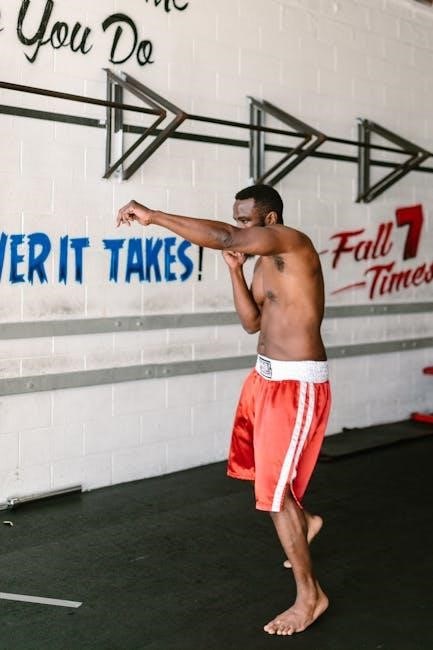
Neck Strengthening Exercises: Importance & Techniques
A robust neck is paramount in boxing, absorbing tremendous force. Mike Tyson’s neck training was legendary, designed to prevent knockouts and maintain head movement. He utilized a variety of techniques, including resistance band work – front, side, and back extensions – building strength in all directions.
Specialized neck harnesses, attached to weights, provided progressive overload. These exercises weren’t about bulk; they focused on isometric holds and controlled movements. Proper form is crucial to avoid injury; start with light resistance and gradually increase it. Tyson understood that a strong neck wasn’t just about power, but about resilience and survival.
Core Workouts: Rotational Exercises & Stability
Tyson’s devastating power originated not just from his legs and shoulders, but a supremely strong core. His core workouts weren’t about six-pack aesthetics, but functional strength and rotational power. Russian twists with a medicine ball were a staple, developing oblique strength for explosive punches.
Wood chops, using cables or resistance bands, further enhanced rotational force. Stability was equally important; exercises like planks, side planks, and bird-dogs built a solid foundation. Tyson’s core work improved his balance, transferred power efficiently, and protected his spine during intense training and fights. A stable core is the key!
Shadow Boxing: Refining Technique & Footwork
Shadow boxing wasn’t merely a warm-up for Mike Tyson; it was a crucial element of his training, a virtual sparring session against an invisible opponent. He’d spend hours meticulously practicing combinations, focusing on speed, accuracy, and fluidity. Tyson wasn’t just throwing punches; he was visualizing targets and perfecting his “peek-a-boo” style.
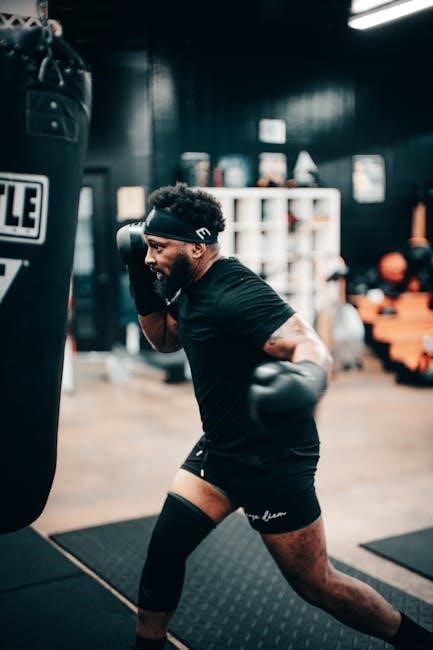
Footwork drills were integrated seamlessly. He’d practice pivoting, shuffling, and maintaining balance while delivering powerful blows. This refined his agility and allowed him to close the distance quickly. Shadow boxing honed his reflexes, muscle memory, and overall ring generalship, making him a truly formidable fighter.
Nutrition & Recovery
Fueling the “Iron Mike” physique demanded a disciplined nutritional approach. Tyson’s diet centered around high-protein foods – lean meats, fish, and eggs – to support muscle growth and repair. Complex carbohydrates provided sustained energy for intense training sessions, while fruits and vegetables offered essential vitamins and minerals.
However, nutrition was only half the battle. Recovery was paramount. Tyson understood the importance of adequate sleep, aiming for 8-10 hours nightly to allow his body to rebuild. Active recovery, like light cardio and stretching, aided muscle soreness and improved circulation. Prioritizing rest and replenishment was key to preventing injury and maximizing performance.
Tyson’s Diet: Protein Intake & Meal Timing
Protein was the cornerstone of Mike Tyson’s diet, crucial for muscle maintenance and growth during his brutal training. He consumed significant amounts – often exceeding 300 grams daily – primarily from sources like steak, chicken, and fish. This high intake supported rapid recovery and enhanced strength.
Meal timing was equally strategic. Tyson favored smaller, more frequent meals throughout the day, ensuring a consistent supply of nutrients. He’d typically eat every 2-3 hours, prioritizing protein with each meal. Pre- and post-workout nutrition focused on quickly digestible proteins and carbohydrates to fuel performance and replenish glycogen stores. Hydration was also vital, consuming ample water throughout the day.
Importance of Sleep & Active Recovery
Beyond intense training and strict nutrition, Mike Tyson understood the critical role of recovery. He prioritized 8-10 hours of quality sleep nightly, recognizing it as essential for muscle repair, hormone regulation, and overall performance. Sleep wasn’t viewed as a luxury, but a non-negotiable component of his regimen.
Active recovery methods were also integral. Tyson incorporated light activities like swimming and walking to promote blood flow and reduce muscle soreness. He utilized massage therapy to alleviate tension and improve flexibility. Strategic rest days were scheduled to prevent overtraining and allow his body to fully recuperate, ensuring he remained at peak condition.
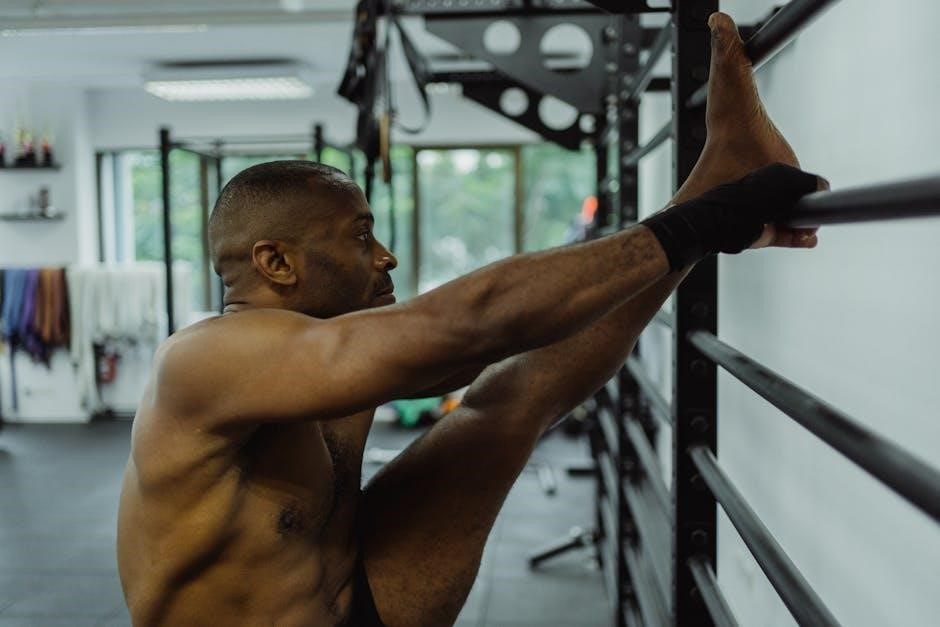
Modern Adaptations & Considerations
While inspiring, Tyson’s routine demands careful adaptation for modern fitness enthusiasts. His volume and intensity were tailored to a professional athlete with exceptional genetics and a dedicated support team. Beginners should scale down exercises, prioritizing proper form over heavy weight.

Consider incorporating modern recovery techniques like foam rolling and contrast therapy. Prioritize a well-rounded approach, blending Tyson’s principles with current sports science. Listen to your body, and don’t hesitate to modify the routine based on individual needs and limitations. Consulting a qualified trainer is highly recommended before attempting this demanding program.
Scaling the Routine for Different Fitness Levels
Adapting Tyson’s routine requires a tiered approach based on experience. For beginners, focus on mastering bodyweight exercises and foundational movements – push-ups, squats, planks – before introducing weights. Reduce sets and reps significantly, emphasizing technique.
Intermediate athletes can gradually increase weight and volume, incorporating lighter plyometrics. Advanced individuals, with a solid fitness base, can attempt a closer approximation of Tyson’s regimen, but still prioritize injury prevention. Remember, progressive overload is key; consistently challenge yourself, but avoid overtraining. Always warm up thoroughly and cool down effectively;
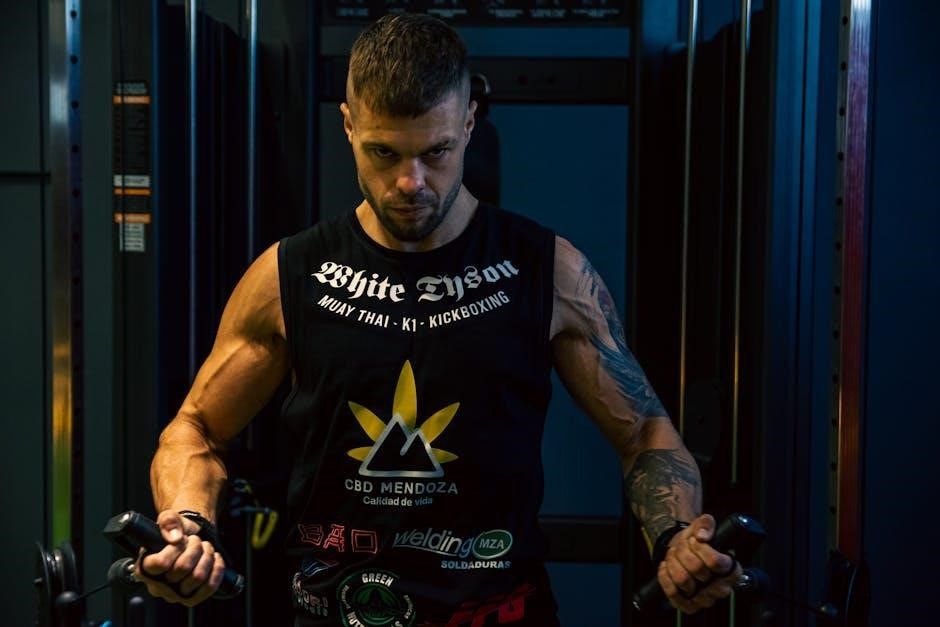
This guide presents a historically intense workout routine. It is crucial to understand that Mike Tyson was an elite athlete under expert supervision. Attempting this regimen without proper guidance carries significant risk of injury.
Before commencing any new exercise program, particularly one as demanding as this, consult with a qualified healthcare professional or certified personal trainer. They can assess your current fitness level, identify potential limitations, and tailor the routine to your individual needs. This is not a one-size-fits-all program; prioritize your safety and well-being above all else.