Understanding PCOS and Diet
PCOS is increasingly diagnosed, especially in teens, causing irregular cycles, weight changes, and mood shifts; dietary adjustments are crucial for symptom management and overall wellness.
What is Polycystic Ovary Syndrome (PCOS)?
Polycystic Ovary Syndrome (PCOS) is a prevalent hormonal disorder impacting women of reproductive age. It’s characterized by imbalances in reproductive hormones, potentially leading to irregular menstrual cycles, ovarian cysts, and difficulties with fertility. Recent awareness campaigns, fueled by celebrity disclosures, highlight the condition’s widespread impact.
Beyond reproductive concerns, PCOS often manifests in metabolic issues like insulin resistance, contributing to weight gain and increasing the risk of type 2 diabetes. Symptoms can also include acne, hirsutism (excess hair growth), and mood swings, significantly affecting quality of life. Understanding PCOS as a complex endocrine disorder is vital for effective management, often involving lifestyle changes and, sometimes, medical intervention.
The Link Between PCOS and Insulin Resistance
A significant connection exists between PCOS and insulin resistance, where the body’s cells don’t respond effectively to insulin. This forces the pancreas to produce more insulin to maintain normal blood sugar levels. Elevated insulin can then exacerbate PCOS symptoms, particularly hormonal imbalances, contributing to increased androgen production.
This creates a vicious cycle: insulin resistance worsens PCOS, and PCOS can worsen insulin resistance. Weight gain, a common symptom of PCOS, further fuels this cycle. Addressing insulin resistance through dietary modifications – focusing on low glycemic index foods and complex carbohydrates – is a cornerstone of PCOS management, aiming to restore hormonal balance and improve metabolic health.
How Diet Impacts PCOS Symptoms
Diet plays a pivotal role in managing PCOS symptoms, directly influencing hormonal balance, weight, and overall metabolic health. A well-structured diet can mitigate irregular periods by regulating insulin levels and reducing androgen production. Focusing on nutrient-dense foods supports healthy weight management, crucial as excess weight often exacerbates PCOS.
Reducing inflammation through dietary choices – prioritizing anti-inflammatory foods – can also alleviate symptoms like acne and mood swings. By adopting a PCOS-friendly eating plan, women can experience improvements in fertility, energy levels, and long-term health outcomes, making dietary changes a fundamental aspect of PCOS care.
Key Dietary Principles for a PCOS Meal Plan
Prioritize low-GI foods, complex carbs, healthy fats, and sufficient protein to stabilize blood sugar, reduce inflammation, and support hormonal balance effectively.
Focus on Low Glycemic Index (GI) Foods
Choosing foods with a low Glycemic Index (GI) is paramount when crafting a PCOS-friendly meal plan. These foods release glucose slowly into the bloodstream, preventing insulin spikes that exacerbate PCOS symptoms.
High insulin levels can contribute to weight gain, irregular periods, and increased androgen production. Excellent low-GI choices include most non-starchy vegetables, fruits like berries and apples, legumes (beans, lentils), and whole grains such as quinoa and barley.
Focusing on these options helps maintain stable blood sugar, improving insulin sensitivity and promoting hormonal balance. Regularly incorporating low-GI foods is a cornerstone of dietary management for PCOS, supporting long-term health and well-being.
Prioritize Complex Carbohydrates
Unlike refined carbohydrates that cause rapid blood sugar fluctuations, complex carbohydrates offer sustained energy and are vital for managing PCOS. These carbohydrates are digested more slowly due to their fiber content, leading to a gradual release of glucose.
Excellent sources include whole grains like brown rice, oats, and quinoa, as well as starchy vegetables like sweet potatoes and beans. Prioritizing these options over white bread, pasta, and sugary cereals helps improve insulin sensitivity and regulate menstrual cycles.
Complex carbohydrates also promote feelings of fullness, aiding in weight management, a common concern for individuals with PCOS.
Embrace Healthy Fats

Healthy fats are crucial components of a PCOS-friendly diet, playing a significant role in hormone production and reducing inflammation. Unlike saturated and trans fats, unsaturated fats support overall health and can improve insulin sensitivity.
Focus on incorporating sources like avocados, nuts (almonds, walnuts), seeds (chia, flax), and olive oil into your meals. Fatty fish, such as salmon and mackerel, are rich in omega-3 fatty acids, known for their anti-inflammatory properties.
These fats contribute to satiety, helping manage weight, and support reproductive health, vital for women with PCOS.
Increase Protein Intake
Prioritizing protein is essential when managing PCOS, as it helps stabilize blood sugar levels and promotes feelings of fullness, aiding in weight management. Protein also plays a vital role in hormone regulation and muscle mass maintenance.
Excellent protein sources include lean meats like chicken and turkey, fish, eggs, beans, lentils, and tofu. Aim to include a protein source with every meal and snack to support metabolic health.
Adequate protein intake can improve insulin sensitivity and reduce cravings, contributing to a more balanced and sustainable dietary approach for PCOS.
Sample PCOS Meal Plan – A Daily Guide
A well-structured meal plan focusing on low GI foods, complex carbs, and lean proteins can significantly alleviate PCOS symptoms and improve overall health.
Breakfast Options
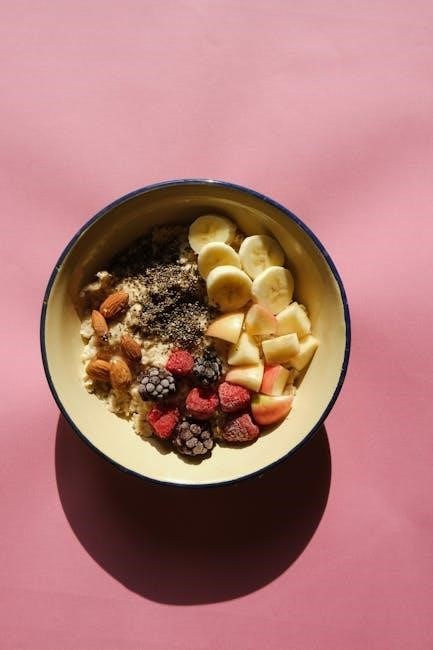
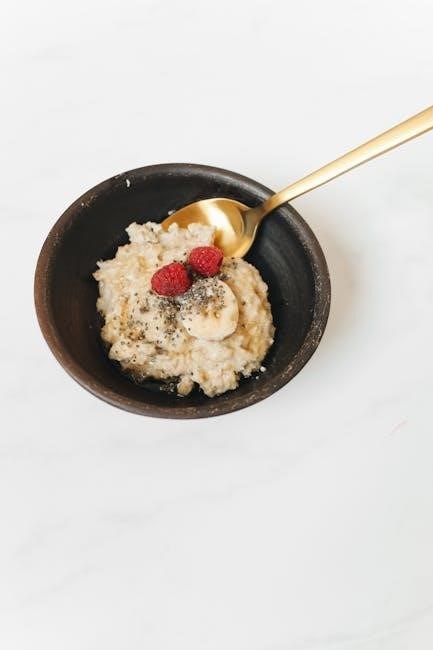
Starting the day with a PCOS-friendly breakfast is vital for stabilizing blood sugar and reducing insulin resistance. High-Protein Oatmeal, incorporating berries (antioxidant-rich) and a handful of nuts (healthy fats), provides sustained energy and keeps you feeling full. Consider adding a scoop of protein powder for an extra boost.
Alternatively, Eggs with Whole-Wheat Toast and Avocado offer a fantastic combination of protein, fiber, and healthy fats. Eggs are a complete protein source, while avocado delivers monounsaturated fats beneficial for hormonal balance. Opt for whole-wheat toast over refined white bread to minimize blood sugar spikes. These options set a positive tone for managing PCOS symptoms throughout the day.
High-Protein Oatmeal with Berries and Nuts
This breakfast champions stable blood sugar, crucial for PCOS management. Begin with ½ cup of rolled oats, cooked with water or unsweetened almond milk. Stir in a scoop of protein powder – whey, soy, or plant-based – to reach at least 20 grams of protein.
Top generously with ½ cup of mixed berries like blueberries, raspberries, and strawberries, packed with antioxidants. Add a tablespoon of chopped nuts – almonds, walnuts, or pecans – for healthy fats and fiber. A sprinkle of cinnamon enhances flavor and may improve insulin sensitivity. This combination provides sustained energy and minimizes cravings.
Eggs with Whole-Wheat Toast and Avocado
A classic, yet powerful, PCOS-friendly breakfast! Enjoy two large eggs, prepared to your liking – poached, scrambled, or fried in olive oil. Eggs are a protein powerhouse, promoting satiety and regulating hormones. Pair this with one slice of whole-wheat toast, providing complex carbohydrates for sustained energy.
Add ¼ of an avocado, sliced or mashed, for a dose of healthy fats. These fats support hormone production and improve insulin sensitivity. Season with salt, pepper, and a sprinkle of red pepper flakes for added flavor. This meal delivers a balanced blend of protein, carbs, and fats, setting a positive tone for the day.
Lunch Options
Lunch is a crucial opportunity to maintain stable blood sugar levels and continue fueling your body with PCOS-supportive nutrients. Opt for meals that combine lean protein, complex carbohydrates, and healthy fats. Consider a vibrant Salmon Salad with Quinoa and Vegetables – salmon provides omega-3 fatty acids, quinoa offers fiber, and colorful veggies deliver essential vitamins.
Alternatively, a hearty Lentil Soup with a Side Salad is an excellent choice. Lentils are packed with protein and fiber, promoting fullness and regulating blood sugar. The side salad adds extra nutrients and fiber. Avoid processed lunch meats and sugary dressings, focusing on whole, unprocessed ingredients for optimal health benefits.
Salmon Salad with Quinoa and Vegetables
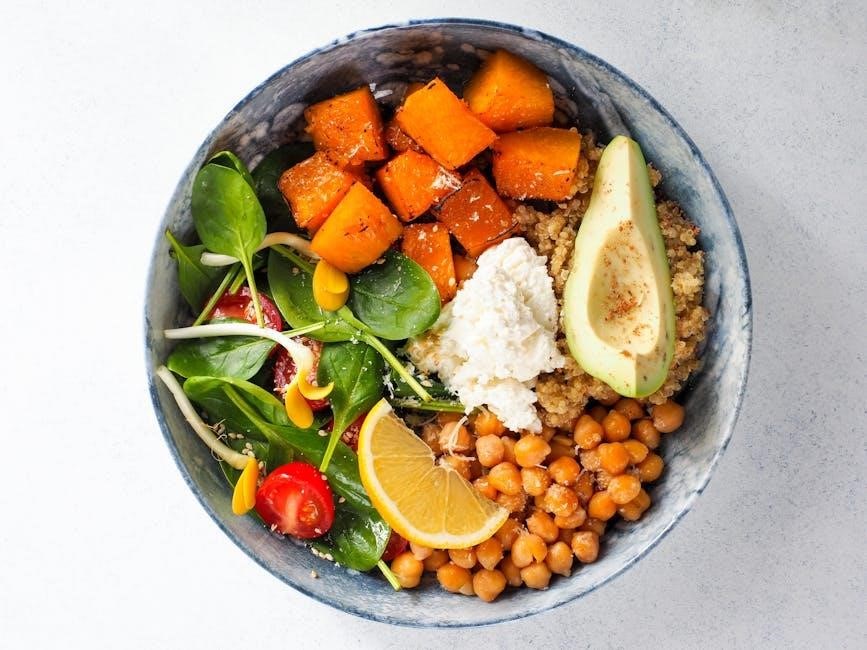
This lunch option is a powerhouse of nutrients beneficial for managing PCOS symptoms. Flaked salmon, rich in omega-3 fatty acids, reduces inflammation and supports hormonal balance. Combine it with fluffy quinoa, a complete protein and complex carbohydrate, providing sustained energy without spiking blood sugar.
Add a colorful medley of non-starchy vegetables like spinach, bell peppers, cucumber, and cherry tomatoes for essential vitamins, minerals, and fiber. A light dressing made with olive oil and lemon juice provides healthy fats and flavor. This salad is not only delicious but also supports insulin sensitivity and overall well-being.
Lentil Soup with a Side Salad
A hearty and nourishing lunch, lentil soup is an excellent choice for individuals with PCOS. Lentils are packed with protein and fiber, promoting satiety and helping to regulate blood sugar levels. They also have a low glycemic index, preventing insulin spikes. Season with turmeric and ginger for added anti-inflammatory benefits.
Pair the soup with a vibrant side salad featuring leafy greens, cucumber, and a light vinaigrette. This combination delivers essential vitamins, minerals, and antioxidants. Avoiding creamy dressings and focusing on whole, unprocessed ingredients is key for managing PCOS symptoms effectively through diet.
Dinner Options
Dinner should focus on lean protein, complex carbohydrates, and healthy fats to support hormonal balance and manage insulin resistance. Opt for meals that are satisfying yet won’t cause significant blood sugar fluctuations. Prioritize whole, unprocessed foods and mindful portion sizes.
Consider incorporating options like baked or grilled chicken breast with roasted vegetables, or lean turkey dishes. These provide essential nutrients without contributing to inflammation. Remember, consistent dietary choices are vital for long-term PCOS management. Explore recipes that emphasize flavor and nutrition, making healthy eating enjoyable and sustainable.
Chicken Breast with Roasted Sweet Potatoes and Broccoli
This dinner option delivers a powerful combination of protein, fiber, and essential nutrients ideal for managing PCOS symptoms. Lean chicken breast provides sustained energy, while sweet potatoes offer complex carbohydrates with a lower glycemic index compared to white potatoes. Broccoli contributes vital vitamins and fiber, promoting digestive health.
Roasting the vegetables enhances their flavor and nutrient availability. Season simply with herbs and spices to avoid added sugars or unhealthy fats. This meal supports stable blood sugar levels, reduces inflammation, and aids in weight management – all crucial aspects of a PCOS-friendly diet.
Turkey Meatloaf with Brown Rice and Green Beans
A comforting and nutritious dinner choice, turkey meatloaf provides lean protein essential for hormone balance and satiety. Utilizing ground turkey instead of beef reduces saturated fat intake, supporting cardiovascular health. Pairing it with brown rice offers complex carbohydrates, promoting stable blood sugar levels, a key factor in PCOS management.
Green beans contribute fiber and essential vitamins, aiding digestion and reducing inflammation. Opt for a meatloaf recipe that minimizes breadcrumbs and added sugars. This meal provides sustained energy, supports weight management, and delivers vital nutrients for overall well-being.
Snack Ideas
Strategic snacking is vital for maintaining stable blood sugar and preventing cravings throughout the day, crucial for PCOS management. Greek yogurt, rich in protein, offers sustained energy and supports gut health. A handful of almonds provides healthy fats and fiber, promoting satiety and reducing inflammation.
Apple slices with peanut butter combine fiber, healthy fats, and protein for a balanced snack. Consider small portions of berries with a sprinkle of seeds for antioxidants and fiber. Avoid sugary snacks and processed foods, as they can exacerbate insulin resistance. Prioritize whole, unprocessed options for optimal results.
Greek Yogurt with a Handful of Almonds
This snack is a powerhouse of nutrients beneficial for managing PCOS symptoms. Greek yogurt boasts a high protein content, aiding in satiety and helping regulate blood sugar levels – a key concern with insulin resistance often linked to PCOS. Almonds contribute healthy fats, fiber, and magnesium, further supporting metabolic health.

The combination provides sustained energy, preventing energy crashes and reducing cravings for sugary foods. Choose plain, unsweetened Greek yogurt to avoid added sugars. A small handful (around 23 almonds) is a perfect portion size. This snack is quick, easy, and incredibly effective for stabilizing hormones and promoting overall well-being.

Apple Slices with Peanut Butter
A classic pairing, apple slices with peanut butter offer a delightful balance of carbohydrates, protein, and healthy fats – ideal for PCOS management. Apples provide fiber, which slows down sugar absorption, preventing blood sugar spikes. Peanut butter delivers protein and healthy fats, promoting fullness and stabilizing insulin levels.

Opt for natural peanut butter without added sugars or oils. A medium-sized apple paired with two tablespoons of peanut butter makes a satisfying and nutritious snack. This combination helps curb cravings, supports hormonal balance, and provides sustained energy throughout the day, contributing to a well-rounded PCOS diet.
Foods to Limit or Avoid in a PCOS Diet
Minimize sugary drinks, processed sweets, and refined carbs like white bread and pasta, as these can worsen insulin resistance and PCOS symptoms.
Sugary Drinks and Processed Sweets
Eliminating sugary drinks – sodas, juices, sweetened teas – is paramount when managing PCOS. These beverages cause rapid spikes in blood sugar and insulin, exacerbating insulin resistance, a core issue in PCOS. Processed sweets, including candies, cookies, and pastries, deliver similar detrimental effects.
They often contain refined sugars and unhealthy fats, contributing to weight gain and inflammation. Opting for naturally sweet alternatives like berries in moderation, or utilizing sugar substitutes cautiously, can satisfy cravings without the same negative impact. Prioritizing whole, unprocessed foods is key to stabilizing blood sugar levels and improving hormonal balance, ultimately aiding in PCOS symptom management.
Refined Carbohydrates (White Bread, Pasta)
Refined carbohydrates, such as white bread, white pasta, and many breakfast cereals, are quickly digested, leading to rapid increases in blood glucose and insulin levels. This surge worsens insulin resistance, a hallmark of PCOS, and can contribute to weight gain and hormonal imbalances.
These foods offer minimal nutritional value, lacking the fiber and nutrients found in complex carbohydrates. Swapping refined grains for whole-grain alternatives – quinoa, brown rice, whole-wheat bread – provides sustained energy and supports better blood sugar control. Making this simple switch is a powerful step towards managing PCOS symptoms effectively.
Unhealthy Fats (Fried Foods, Processed Snacks)
Consuming excessive amounts of unhealthy fats, prevalent in fried foods and processed snacks, can exacerbate inflammation and worsen insulin resistance in individuals with PCOS. These fats often lack essential nutrients and contribute to weight gain, further complicating PCOS management.
Prioritizing healthy fat sources – avocados, nuts, seeds, olive oil – supports hormonal balance and overall health. Reducing intake of trans fats and saturated fats found in processed foods is crucial. Opting for baked or grilled options instead of fried, and choosing whole-food snacks, promotes a healthier dietary pattern for PCOS.
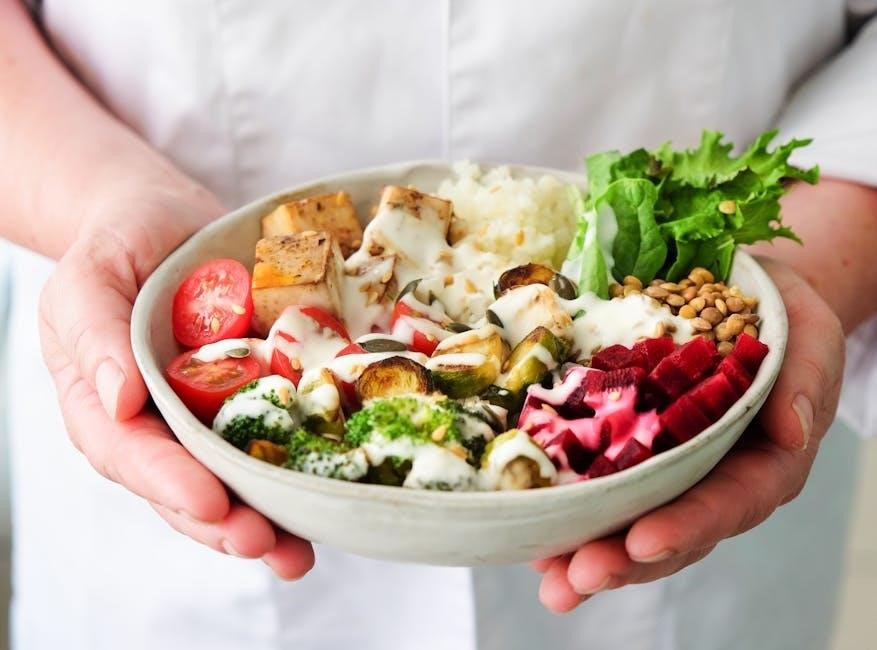
Finding a Free PCOS Meal Plan PDF
Numerous online resources offer free PCOS meal plan PDFs, providing guidance on dietary changes to manage symptoms and improve overall health effectively.
Reliable Sources for Free Meal Plans
Finding trustworthy, free PCOS meal plan PDFs requires careful consideration. Several registered dietitians and healthcare organizations offer downloadable resources. Look to websites affiliated with reputable hospitals or clinics specializing in endocrinology or women’s health.
Many registered dietitians specializing in PCOS provide free introductory meal plans on their websites as a lead magnet for their services. These often include shopping lists and recipe ideas. Be cautious of blogs or websites lacking credentials; prioritize those authored by qualified professionals.
Additionally, some PCOS support groups and communities curate lists of free resources, including meal plans. Always review the plan’s content to ensure it aligns with current dietary recommendations and your individual needs. Remember to consult your doctor before making significant dietary changes.
What to Look for in a PCOS Meal Plan PDF
A beneficial PCOS meal plan PDF should prioritize low glycemic index (GI) foods, emphasizing complex carbohydrates over refined sugars. Look for plans incorporating lean proteins, healthy fats, and plenty of fiber-rich vegetables. The plan should offer variety and be realistically sustainable long-term, avoiding overly restrictive diets.
Crucially, the PDF should detail portion sizes and provide a corresponding shopping list. It’s helpful if recipes are included, offering practical guidance. A good plan will also address potential nutrient deficiencies common in PCOS, like Vitamin D or magnesium.
Beware of plans promoting quick fixes or extreme diets. A well-designed plan will focus on balanced nutrition and lifestyle changes, supporting hormonal balance and overall health.
Additional Tips for Managing PCOS Through Diet
Prioritize hydration, incorporate anti-inflammatory foods, and discuss potential supplements with your doctor to complement your PCOS meal plan for optimal wellness.
Importance of Hydration
Adequate water intake is often underestimated, yet it plays a vital role in managing PCOS symptoms. Hydration supports overall metabolic function, aiding in weight management, which is frequently a concern for individuals with PCOS. Water assists in flushing out toxins and reducing inflammation, both key factors in mitigating PCOS-related issues.
Aim for at least eight glasses of water daily, and consider increasing this amount with physical activity or in warmer climates. Sometimes, thirst can be mistaken for hunger, leading to unnecessary snacking. Staying well-hydrated can help regulate appetite and support healthy digestion. Herbal teas and water-rich fruits and vegetables also contribute to your daily fluid intake, offering additional benefits.
Consider Anti-Inflammatory Foods
Chronic low-grade inflammation is frequently observed in women with PCOS, contributing to insulin resistance and hormonal imbalances. Incorporating anti-inflammatory foods into your diet can help mitigate these effects and improve overall health. Focus on foods rich in omega-3 fatty acids, such as fatty fish (salmon, mackerel), flaxseeds, and chia seeds.
Berries, leafy green vegetables, and colorful fruits are packed with antioxidants, which combat inflammation. Spices like turmeric and ginger possess potent anti-inflammatory properties. Prioritizing these foods, alongside limiting processed foods and sugary drinks, can significantly impact PCOS symptom management and promote well-being.
The Role of Supplements (with Doctor’s Approval)
While diet forms the cornerstone of PCOS management, certain supplements, under medical supervision, may offer additional support. Inositol, particularly myo-inositol and D-chiro-inositol, has shown promise in improving insulin sensitivity and ovarian function. Vitamin D deficiency is common in women with PCOS, and supplementation can improve hormonal balance.
Omega-3 fatty acids can help reduce inflammation, while N-acetyl cysteine (NAC) may improve insulin resistance and fertility. Chromium picolinate could aid in blood sugar control. Crucially, always consult your doctor before starting any new supplement regimen to ensure safety and avoid potential interactions.