Vivi E-Bike Manual: A Comprehensive Guide
Vivi offers detailed training materials, like comprehensive lecture notes, suitable for those seeking in-depth knowledge. Their courses, costing around $48,000, aim for success, though results vary.
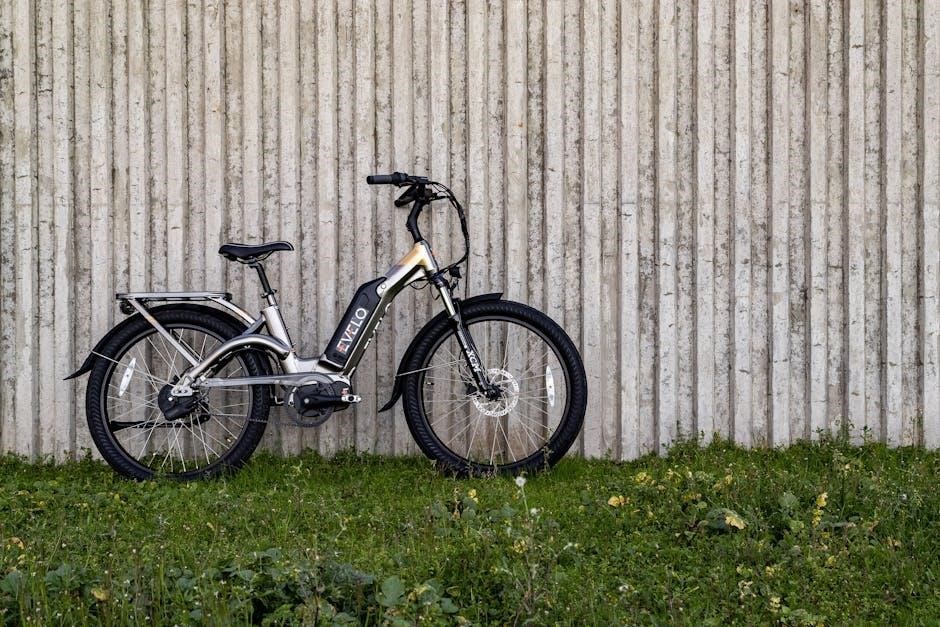
Vivi E-bikes represent a growing trend in personal transportation, offering an efficient and eco-friendly alternative to traditional bicycles and even cars for shorter commutes. These electric bikes combine the benefits of a conventional bike – physical exercise and maneuverability – with the assistance of an electric motor, making cycling accessible to a wider range of individuals and terrains.
The popularity of Vivi stems from their commitment to providing quality e-bikes at competitive prices, coupled with a focus on user experience. As highlighted in discussions, Vivi’s approach emphasizes positive energy and confidence, mirroring a philosophy of embracing life and pursuing personal passions. This extends to their training programs, which, while potentially costly, aim to equip riders with the knowledge and skills needed for safe and effective operation.
This manual serves as a comprehensive guide to understanding, operating, and maintaining your Vivi E-bike. Whether you are a seasoned cyclist or new to the world of electric bikes, this resource will provide you with the information necessary to maximize your riding enjoyment and ensure the longevity of your investment. We will cover everything from component identification to troubleshooting common issues, ensuring a smooth and confident riding experience.
Understanding Your Vivi E-Bike Components
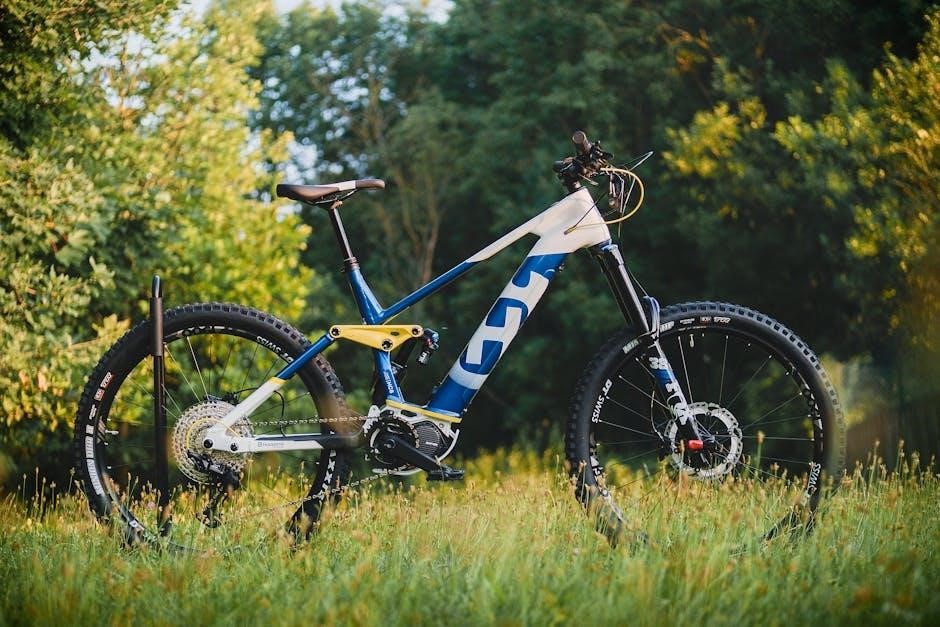
Your Vivi E-bike is a sophisticated machine comprised of several key components working in harmony. The frame, typically aluminum alloy, provides the structural foundation. The electric motor, varying in wattage depending on the model, delivers the power assistance. Central to operation is the battery, responsible for storing the energy that fuels the motor – proper management, as we’ll detail later, is crucial for longevity.
The display panel serves as the bike’s “dashboard,” providing vital information like speed, battery level, and pedal assist mode. Controls, usually handlebar-mounted, allow you to adjust these settings. A robust braking system, often featuring both disc and regenerative braking, ensures safe deceleration.
Furthermore, the pedal assist system (PAS) senses your pedaling effort and provides proportional motor assistance. The throttle offers on-demand power without pedaling. High-quality tires and a durable chain are essential for efficient power transfer. Understanding each component’s function, as emphasized in Vivi’s detailed training materials, is the first step towards responsible ownership and maximizing your riding experience.
Battery Management and Charging
Proper Vivi E-bike battery care is paramount for optimal performance and longevity. Lithium-ion batteries, commonly used in E-bikes, require specific handling. Avoid fully discharging the battery; instead, aim to recharge when it reaches around 20-30% capacity. This practice extends the battery’s lifespan significantly.
Always use the charger specifically designed for your Vivi E-bike model. Charging times vary depending on battery capacity and charger wattage, typically ranging from 4 to 8 hours. Avoid charging in extreme temperatures – ideally, between 50°F and 86°F (10°C and 30°C).
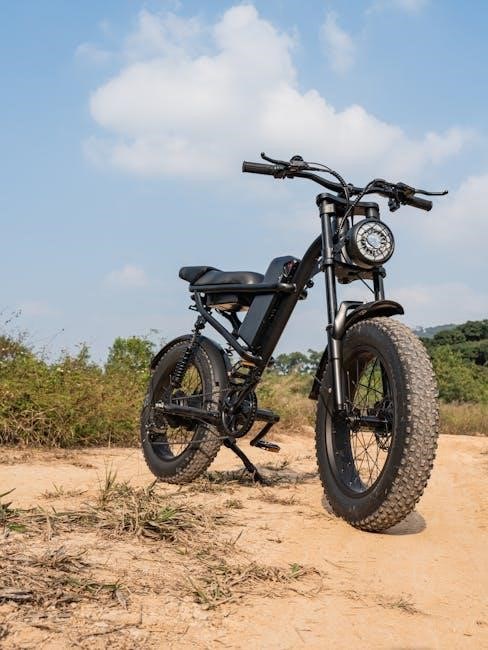
Store the battery in a cool, dry place when not in use, and avoid prolonged storage at full or complete discharge. Regularly check the battery for any signs of damage, such as swelling or leakage. Like the detailed course materials Vivi provides, understanding these guidelines will ensure your battery remains a reliable power source for years to come, maximizing your investment and riding enjoyment.
Display Panel and Controls
The Vivi E-bike display panel serves as your central hub for ride information and control. Typically, it showcases speed, battery level, pedal assist level (PAS), and distance traveled. Familiarize yourself with the button layout for seamless operation.
The power button initiates the E-bike, while the “+” and “-” buttons adjust the PAS level. Some models feature a dedicated button for lights and horn activation. The display may also include a trip odometer and total mileage counter. Like Vivi’s detailed course materials, understanding each function enhances your riding experience.
Pay attention to any error codes displayed, as these indicate potential issues requiring attention (refer to the troubleshooting section). The display’s brightness can often be adjusted for optimal visibility in varying light conditions. Regularly check the display’s secure mounting and ensure all connections are firm. A well-understood display panel empowers confident and informed riding.
Pedal Assist System (PAS) Operation
The Vivi E-bike’s Pedal Assist System (PAS) provides motorized assistance as you pedal, making uphill climbs and longer distances more manageable. Select your desired PAS level using the control panel buttons – typically ranging from 0 to 5, with 0 being no assistance.
As you begin pedaling, the motor engages, providing a boost proportional to the selected level. Lower levels offer subtle assistance, ideal for conserving battery, while higher levels deliver more powerful support. Like Vivi’s comprehensive lecture notes, mastering PAS enhances efficiency.
The PAS sensor detects your pedaling motion, activating the motor. Ensure smooth, consistent pedaling for optimal performance. Be mindful of the increased speed and adjust your riding accordingly. Some models offer a “walk assist” feature, providing a slow, controlled speed without pedaling. Regularly check the PAS sensor for proper function and cleanliness.
Throttle Operation
Your Vivi E-bike may feature a throttle, offering power without pedaling. Typically located on the handlebar, the throttle controls the motor’s speed directly. Gently twisting the throttle engages the motor, increasing speed proportionally to the twist angle. Like Vivi’s detailed training, understanding throttle control is crucial for safe operation.
Exercise caution when using the throttle, especially at lower speeds. Avoid sudden or jerky movements, as this can affect stability. Be aware of your surroundings and anticipate potential hazards. The throttle is particularly useful for starting from a standstill or navigating challenging terrain.
Some Vivi models offer adjustable throttle sensitivity settings. Consult your display panel to customize the throttle response to your preference. Regularly inspect the throttle for smooth operation and proper connection. Remember, throttle use consumes battery power more rapidly than PAS. Prioritize responsible throttle management for extended range.

Braking System: Maintenance and Safety
Your Vivi E-bike is equipped with a braking system designed for reliable stopping power. Regular maintenance is paramount for ensuring optimal performance and rider safety. Inspect brake pads frequently for wear and tear, replacing them when they reach the minimum thickness. Like Vivi’s comprehensive course materials, attention to detail matters.
Check brake cables and levers for smooth operation and proper adjustment. Ensure the brakes engage firmly and evenly. Lubricate cables periodically to prevent friction and maintain responsiveness. Disc brakes require occasional cleaning and inspection of rotors for damage.
Always brake gradually and avoid sudden, forceful braking, especially on slippery surfaces. Utilize both front and rear brakes simultaneously for balanced stopping power. Be mindful of increased stopping distances in wet conditions. Prioritize safety by practicing emergency braking in a controlled environment. Remember, a well-maintained braking system is your first line of defense against accidents.
Tire Pressure and Maintenance
Maintaining correct tire pressure is crucial for a smooth, safe, and efficient ride on your Vivi E-bike. Check tire pressure before each ride using a reliable gauge. The recommended pressure (PSI) is printed on the tire sidewall – adhere to this specification. Underinflated tires increase rolling resistance, reducing range and potentially causing damage. Overinflated tires can lead to a harsh ride and decreased traction.
Regularly inspect tires for cuts, bulges, or embedded debris. Remove any foreign objects immediately. Check for uneven wear patterns, which may indicate misalignment or suspension issues. Rotate tires periodically to promote even wear.
Clean tires with a mild detergent and water to remove dirt and grime. Avoid harsh chemicals that can degrade the rubber. Proper tire maintenance extends tire life, improves handling, and enhances overall riding experience, much like Vivi’s detailed training expands knowledge.
Chain Maintenance and Lubrication
A well-maintained chain is essential for smooth shifting and optimal power transfer on your Vivi E-bike. Regularly clean the chain with a degreaser specifically designed for bicycle chains. Remove dirt, grime, and old lubricant using a chain cleaning tool or a brush. Rinse thoroughly with water and dry completely.
After cleaning, apply a high-quality bicycle chain lubricant. Ensure even coverage along the entire chain length. Wipe off any excess lubricant to prevent dirt buildup. Lubricate the chain every 100-200 miles, or more frequently in wet or dusty conditions.
Inspect the chain for wear and tear. A worn chain can damage the cassette and chainrings, leading to costly repairs. Use a chain wear indicator tool to check for elongation. Replace the chain when it reaches the recommended wear limit, similar to how Vivi provides updated materials for effective learning.
Adjusting Brakes and Gears
Properly adjusted brakes and gears are crucial for safe and efficient riding on your Vivi E-bike. Begin with the brakes: check the brake levers for firmness and adjust cable tension if needed using the barrel adjusters. Ensure the brake pads are aligned correctly with the rotor or rim and haven’t worn excessively. Replace pads if they are thin or damaged.
For gear adjustments, use the barrel adjusters on the shifters to fine-tune the cable tension. If shifting is sluggish or inaccurate, check the derailleur alignment. Minor adjustments to the limit screws can prevent the chain from falling off the cassette or chainrings.
Like Vivi’s detailed course materials, precise adjustments are key. If you’re uncomfortable making these adjustments yourself, consult a qualified bicycle mechanic. Regular checks and adjustments will ensure optimal performance and extend the life of your components.
Troubleshooting Common Issues
Like navigating a complex course – similar to Vivi’s training programs – resolving E-bike issues requires a systematic approach. A common problem is a sudden loss of power. First, check the battery connection and ensure it’s fully charged. If the display shows an error code, consult the error code section of this manual.
Another frequent issue is difficulty shifting gears. Inspect the derailleur alignment and cable tension, adjusting as needed. If the brakes feel spongy, check for air in the hydraulic lines or worn brake pads. A rattling noise could indicate a loose component; tighten bolts and screws.
Remember, Vivi emphasizes a thorough understanding. If you encounter a problem beyond your skill level, or if the issue persists after troubleshooting, seek assistance from a qualified E-bike technician. Don’t attempt repairs you’re not comfortable with.
Error Codes and Their Meanings
Understanding error codes is crucial, much like deciphering complex course material – a skill Vivi training aims to instill. Error code E01 typically indicates a motor malfunction; discontinue use and contact support. Code E02 signals a battery communication error, requiring a battery reset or professional inspection.
A code of E03 often points to a controller issue, potentially needing replacement. E04 suggests a throttle problem, check the connection and functionality. Error E05 relates to brake sensor failures, impacting safety – address immediately. Codes E10-E19 generally indicate battery-related problems, like overvoltage or undervoltage.
Remember, similar to Vivi’s detailed lecture notes, these codes are diagnostic tools. Refer to the complete error code list in the appendix for a comprehensive explanation. Ignoring error codes can lead to further damage or unsafe riding conditions. Always prioritize safety and seek professional help when needed.
Safety Precautions for E-Bike Riding
Prioritize safety, much like Vivi emphasizes thorough preparation for exams. Always wear a certified helmet, even for short rides. Ensure brakes are functioning correctly before each use – regular maintenance is key, similar to consistent study habits.
Be aware of your surroundings and follow traffic laws. Use hand signals to indicate turns and stops. Maintain a safe distance from pedestrians and other vehicles. Avoid riding under the influence of alcohol or drugs. Visibility is crucial; wear bright clothing and use lights, especially at night.
Understand the limitations of your e-bike. Avoid exceeding the maximum speed or weight capacity. Be cautious on wet or slippery surfaces. Just as Vivi provides detailed course materials, familiarize yourself with your e-bike’s features and capabilities. Regular checks, like those emphasized in their training, are vital for a safe and enjoyable ride.
Legal Regulations for E-Bikes
E-bike regulations vary significantly by location, much like the diverse preparation methods offered by institutions like Vivi. It’s crucial to understand the laws in your area before riding. Many jurisdictions classify e-bikes based on their motor power and maximum assisted speed.
Some areas require registration or licensing for e-bikes. There may be restrictions on where you can ride, such as bike lanes, roads, or trails. Helmet laws also differ; some regions mandate them for all riders, while others have age-specific requirements.
Be aware of local rules regarding throttle operation and pedal assist systems. Certain e-bikes may be restricted from specific areas. Just as Vivi prepares students for specific exam requirements, ensure your e-bike complies with all applicable regulations to avoid fines or legal issues. Staying informed is key to responsible e-bike ownership and operation.
Winter Storage and Maintenance
Preparing your Vivi e-bike for winter storage is vital to ensure its longevity, similar to how thorough preparation is key for success in courses like those offered by Vivi Power. Begin by thoroughly cleaning the bike, removing all dirt and grime.
The battery is the most crucial component. Fully charge it before storage, then store it in a cool, dry place – ideally around 40-60°F (4-15°C). Avoid extreme temperatures. Periodically check the battery charge level during storage and top it up as needed.
Lubricate the chain and other moving parts to prevent corrosion. Inspect tires for wear and tear, and inflate them to the recommended pressure. If possible, store the bike indoors to protect it from the elements. A covered storage area is preferable. Regular checks throughout the winter will ensure your e-bike is ready for spring riding.
Vivi E-Bike Warranty Information
Vivi e-bikes come with a comprehensive warranty, designed to provide peace of mind, much like the assurances offered by training institutions. The standard warranty covers the frame for a period of two years against manufacturing defects.
The motor and battery are typically covered for one year, protecting against failures due to faulty workmanship or materials. Electrical components, including the display panel and controller, also have a one-year warranty. Wear-and-tear items, such as tires, brake pads, and chains, are generally excluded from warranty coverage;
To make a warranty claim, retain your proof of purchase and contact Vivi’s customer support team. They will guide you through the process, which may involve providing photos or returning the defective part for inspection. Remember, modifications or improper use can void the warranty.
Finding Support and Resources
Vivi provides multiple avenues for customer support, mirroring the comprehensive assistance offered by training centers like Vivi Power. Their official website features a detailed FAQ section addressing common issues and troubleshooting tips. You can also reach their customer service team via email or phone during business hours.
Online forums and social media groups dedicated to Vivi e-bikes are valuable resources for connecting with other riders and sharing experiences. These communities often provide quick answers to questions and helpful advice on maintenance and repairs.
For more in-depth assistance, Vivi partners with local bike shops that can perform repairs and maintenance services. A network of authorized service centers ensures convenient access to professional support. Remember to keep your e-bike’s serial number handy when contacting support, as it helps them identify your specific model and warranty status.