
Manual fire detection relies on individuals discovering and reporting fires, differing from automatic systems․ These systems are crucial for early warning,
protecting lives and property, and are often integrated with broader fire safety measures like sprinklers and mass notification systems․
The Importance of Early Fire Detection
Early fire detection is paramount in mitigating the devastating consequences of a fire event․ The initial moments are critical, directly impacting the safety of building occupants and the extent of property damage․ Manual fire detection systems, while reliant on human intervention, play a vital role in this initial response․
Detecting a fire in its early stages provides invaluable time for safe evacuation, potentially saving lives․ This early warning also allows for quicker suppression efforts, limiting the fire’s growth and minimizing structural damage․ Business fires, unfortunately, cause substantial financial losses annually, highlighting the need for robust detection methods․
Furthermore, early detection facilitates a more controlled response from fire services, reducing the risk to firefighters․ Systems are designed to discover fires when occupants still have time to evacuate safely, and the integration with other systems enhances overall fire safety protocols․ Regular system checks ensure operational readiness․
Manual vs․ Automatic Fire Detection
Manual fire detection systems fundamentally differ from automatic systems in their initiation method․ Manual systems require a person to physically discover a fire and activate an alarm, typically via a pull station․ Automatic systems, conversely, utilize sensors – like heat or smoke detectors – to autonomously detect fires and trigger an alarm․
Automatic systems offer the advantage of 24/7 monitoring, even when a building is unoccupied, providing quicker response times in many scenarios․ However, manual systems offer a cost-effective solution, particularly for smaller buildings or areas where automatic detection isn’t feasible or required․
Often, the most effective approach involves integrating both manual and automatic systems․ This hybrid approach leverages the continuous monitoring of automatic systems with the readily available activation points of manual systems, enhancing overall fire safety and providing redundancy․

Components of a Manual Fire Detection System
Key components include manual call points (pull stations), a central control panel to receive signals, and alarm notification appliances – sirens and strobe lights – for alerts․
Manual Call Points (MCPs) ― Pull Stations
Manual Call Points (MCPs), commonly known as pull stations, are the most recognizable element of a manual fire detection system․ Strategically placed throughout a building, they allow occupants to manually initiate a fire alarm by breaking a glass cover and activating a lever or button․ This direct action immediately signals the fire alarm control panel․
MCPs are designed for ease of use, even in stressful situations, and are vital when a fire is visually confirmed․ Different types exist, including single-action, double-action, and protected models for areas prone to vandalism․ Proper functioning is critical, requiring regular inspection and testing to ensure reliable operation during an emergency․ They represent a crucial human interface within the broader fire safety infrastructure․
System Control Panel
The System Control Panel serves as the central hub of a manual fire detection system, receiving signals from Manual Call Points (MCPs) and initiating the pre-programmed alarm response․ Upon activation of an MCP, the panel interprets the signal and triggers the appropriate notification appliances – audible alarms and visual strobes – to alert building occupants․
Modern panels often feature zone identification, pinpointing the general location of the activated MCP, aiding in rapid response․ They also incorporate battery backup to ensure continued operation during power outages․ Furthermore, these panels can be integrated with other fire safety systems, such as sprinkler systems and mass notification systems, for a comprehensive safety approach․ Regular inspection and maintenance of the control panel are paramount for system reliability․
Alarm Notification Appliances
Alarm Notification Appliances are critical components, translating a system activation into a clear warning for building occupants․ These devices fall into two primary categories: audible and visual alarms․ Audible alarms, traditionally bells or sirens, produce a loud sound designed to be heard throughout the facility, prompting evacuation․ However, relying solely on sound isn’t sufficient for all individuals․
Visual alarms, such as strobe lights, provide a crucial alternative for those with hearing impairments․ Modern systems often employ synchronized audible and visual alerts for maximum effectiveness; The selection and placement of these appliances must adhere to fire codes, ensuring adequate coverage and visibility․ Proper functioning is vital, necessitating regular testing and maintenance to guarantee a swift and effective response during an emergency․
Audible Alarms (Sirens, Bells)
Audible alarms, historically employing bells and now frequently utilizing electronic sirens, serve as the primary method of alerting building occupants to a fire emergency․ These devices generate a loud, distinctive sound intended to penetrate ambient noise and effectively signal the need for evacuation․ The sound level, measured in decibels, must meet specific code requirements to ensure audibility throughout the protected premises․
Different tones and patterns can be used to differentiate between fire alarms and other emergency signals․ Regular testing of audible alarms is paramount to confirm operational status and adequate sound pressure levels․ Considerations include building size, layout, and potential noise interference when determining the appropriate number and placement of these crucial notification appliances․
Visual Alarms (Strobe Lights)
Visual alarms, typically employing strobe lights, are essential components of a comprehensive fire detection system, particularly for individuals who are deaf or hard of hearing․ These devices emit intense flashes of light, providing a clear and unmistakable signal of a fire emergency․ Strobe light intensity, measured in candela, is regulated by fire codes to ensure visibility across the protected area․
Proper placement is critical; strobe lights must be positioned to avoid obstruction and maximize visibility․ Synchronization with audible alarms is often required to create a unified and effective notification system․ Regular testing confirms functionality and ensures the light output meets required standards․ Consideration must be given to potential sensitivities to flashing lights for individuals with certain medical conditions․

Types of Manual Call Points
Manual call points vary, including single-action, double-action, and protected models for vandalism resistance․ These designs cater to diverse environments and security needs․
Single-Action MCPs
Single-action manual call points are the most common type, activated by a single, deliberate motion – typically a firm pull on a handle or breaking a glass․ This simplicity ensures quick activation, even for individuals with limited physical ability or in stressful situations․ The design prioritizes immediate response, making them ideal for general use in buildings where ease of operation is paramount․
Upon activation, a single-action MCP immediately signals the fire alarm control panel, initiating the building’s fire safety protocols․ These units often feature a clear visual indication of activation, such as a dropped handle or broken glass, confirming that the alarm has been triggered․ While straightforward, their accessibility also means they are potentially more susceptible to accidental activation, necessitating careful placement to minimize false alarms․
Double-Action MCPs
Double-action manual call points require two distinct actions to initiate an alarm, significantly reducing the risk of accidental activation․ Typically, this involves lifting a cover or breaking a glass, then depressing a button or pulling a lever․ This two-step process provides an extra layer of security, making them suitable for areas prone to accidental contact or vandalism, such as schools or public spaces․
Despite the added security, double-action MCPs remain relatively easy to operate in an emergency․ The deliberate sequence ensures that only intentional activations trigger the alarm system․ These units are often preferred in environments where false alarms could cause significant disruption or unnecessary emergency response․ They offer a balance between reliability and preventing unwanted activations, contributing to a more efficient fire safety system․
Protected MCPs (for Vandalism-Prone Areas)
Protected manual call points are specifically designed to withstand deliberate damage and unauthorized activation, crucial in high-risk environments․ These units feature robust metal housings, often constructed from stainless steel or other durable materials, safeguarding the internal activation mechanism․ Protective covers, sometimes requiring a specialized key or tool for access, further deter tampering and accidental pulls․
Locations like schools, correctional facilities, and public transportation hubs frequently employ protected MCPs․ They minimize false alarms caused by malicious acts or accidental damage, ensuring the system remains reliable during genuine emergencies․ While slightly more expensive than standard models, the long-term cost savings from reduced false alarms and system downtime often justify the investment․ Proper selection and installation are vital for maximizing their protective capabilities․
Installation Considerations for Manual Systems
Strategic placement of manual call points, ensuring accessibility and visibility, is paramount․ Compliance with local fire codes and standards dictates proper installation procedures for safety․
Strategic Placement of MCPs
Effective placement of Manual Call Points (MCPs) is absolutely critical for a functional manual fire detection system․ They must be positioned along normal paths of egress, ensuring individuals can easily reach them during an evacuation․ Consider high-traffic areas like hallways, stairwells, and near exits․
Accessibility is key; MCPs shouldn’t be obstructed by furniture or other objects․ Visibility is equally important – they should be readily noticeable, even in low-light conditions․ Placement near fire doors and within the immediate vicinity of potential fire hazards is also recommended․
Furthermore, consider the building’s layout and occupancy․ Larger facilities require more MCPs to ensure adequate coverage․ Regularly review placement to adapt to changes in building use or layout, maintaining optimal responsiveness in case of a fire emergency․ Proper placement directly impacts response time and overall safety․
Accessibility and Visibility
Ensuring accessibility and visibility of Manual Call Points (MCPs) is paramount for effective fire detection․ MCPs must be easily reachable for all occupants, including those with disabilities, adhering to ADA guidelines where applicable․ Mounting height should be consistent and within a comfortable reach range for most individuals․
Obstructions like furniture, storage, or displays must be avoided; clear space around the MCP is essential․ Visibility is equally crucial, especially in low-light conditions․ Consider contrasting colors and clear signage to make MCPs readily identifiable․
Regular inspections should verify that MCPs remain unobstructed and visible․ Proper illumination of surrounding areas enhances visibility during emergencies․ Prioritizing accessibility and visibility maximizes the likelihood of prompt activation during a fire, ultimately improving safety for everyone within the building․
Compliance with Fire Codes and Standards
Adherence to fire codes and standards is non-negotiable when installing and maintaining manual fire detection systems․ National Fire Protection Association (NFPA) codes, such as NFPA 72, dictate requirements for spacing, placement, and functionality of Manual Call Points (MCPs)․ Local building codes often supplement these national standards with specific regulations․
Compliance ensures the system’s reliability and effectiveness during an emergency․ Regular inspections by qualified fire safety professionals are vital to verify ongoing adherence․ Documentation of inspections, testing, and maintenance is crucial for demonstrating compliance during fire marshal inspections․
Failure to comply can result in fines, legal liabilities, and, most importantly, compromised fire safety․ Staying updated on the latest code revisions is essential for maintaining a safe and compliant environment․

System Testing and Maintenance
Regular testing and maintenance are vital for ensuring a manual fire detection system’s reliability․ Inspections, functional tests of MCPs, and battery checks are essential procedures․
Regular Inspection Schedules
Establishing a consistent inspection schedule is paramount for maintaining the effectiveness of a manual fire detection system․ These schedules should adhere to local fire codes and manufacturer recommendations, typically involving monthly or quarterly visual inspections․ During these checks, verify that manual call points (MCPs) are unobstructed, undamaged, and readily accessible․
Inspect the system control panel for any trouble signals or anomalies, ensuring it’s functioning correctly․ Documentation of each inspection, including date, time, and findings, is crucial for demonstrating compliance and tracking system health․ More comprehensive functional testing, as detailed in separate procedures, should be conducted at least annually, but semi-annual testing is often preferred for higher-risk environments․ Consistent adherence to a rigorous inspection schedule proactively identifies potential issues before they escalate, ensuring the system’s readiness in an emergency․
Functional Testing of MCPs
Regular functional testing of Manual Call Points (MCPs) is vital to confirm their operational reliability․ This process involves activating each MCP – simulating a fire alarm – and verifying that the signal is correctly received and processed by the system control panel․ Observe that the panel initiates the appropriate alarm sequence, including audible and visual notifications․
Document each test, noting the MCP’s location, the time of activation, and confirmation of successful signal transmission․ Testing should be performed by qualified personnel familiar with the system’s operation․ Following activation, ensure the MCP is reset correctly․ Any MCP failing to function properly must be immediately repaired or replaced․ Thorough testing validates the system’s ability to promptly alert occupants in the event of a fire, safeguarding lives and property․
Battery Backup and Power Supply Checks
Consistent checks of the battery backup and primary power supply are paramount for ensuring uninterrupted operation of a manual fire detection system․ Fire alarm systems, including those with manual components, must function even during power outages․ Regularly inspect the batteries for corrosion, damage, and proper voltage levels․ Conduct load testing to verify the batteries can sustain the system’s power demands for the required duration, typically 24 hours or more․
Verify the main power supply is stable and within acceptable voltage ranges․ Document all inspection and testing results․ Any deficiencies must be addressed immediately․ A reliable power source, coupled with a fully functional battery backup, guarantees the system’s ability to provide timely warnings, protecting occupants and minimizing potential damage․
Integration with Other Fire Safety Systems
Manual systems enhance overall safety when linked with automatic detection, sprinkler systems, and mass notification systems, creating a comprehensive and responsive fire protection network․
Connection to Automatic Fire Detection Systems
Integrating manual and automatic fire detection systems provides a robust, layered approach to fire safety․ While automatic systems offer continuous monitoring, manual call points (MCPs) allow for immediate activation by individuals who directly observe a fire, potentially speeding up response times․ This connection ensures that even if an automatic system fails to detect a fire in its early stages – perhaps due to smoke dilution or a localized heat source – a person can still initiate an alarm․
Furthermore, a combined system can offer more detailed information to the fire alarm control panel, pinpointing the fire’s location more accurately․ The automatic system can then verify the alarm and initiate pre-programmed responses, such as notifying the fire department or activating suppression systems․ This synergy maximizes the effectiveness of both technologies, creating a safer environment for occupants and minimizing potential damage․
Integration with Sprinkler Systems
Combining manual fire detection with sprinkler systems creates a powerful, two-pronged defense against fire․ When a manual call point is activated, the signal can be programmed to immediately release the sprinkler system in the affected zone, initiating fire suppression alongside the alarm notification․ This rapid response is critical in controlling the fire’s spread, minimizing damage, and providing occupants with more time to evacuate safely․
The integration isn’t simply about simultaneous activation; it’s about enhanced control․ The fire alarm control panel can monitor the sprinkler system’s water flow, providing valuable feedback to emergency responders․ This allows for a more informed assessment of the situation and a more targeted response․ Manual activation provides a human element, confirming a fire exists before full sprinkler deployment, potentially preventing unnecessary water damage․
Mass Notification Systems Integration
Integrating manual fire detection systems with mass notification systems (MNS) dramatically expands the scope of emergency communication․ A pull station activation doesn’t just trigger local alarms; it can initiate a pre-recorded message broadcast throughout the entire facility, or even to surrounding areas․ This capability is vital for directing occupants to safe evacuation routes, providing specific instructions, and coordinating with first responders․
Modern MNS can leverage various communication channels – voice alarms, visual displays, email, SMS text messages, and even social media – ensuring that the message reaches as many people as possible․ The fire alarm control panel acts as the central hub, relaying the activation signal to the MNS for immediate dissemination․ This integration is increasingly important as fire alarm cabling becomes more complex, driven by the demand for comprehensive mass notification capabilities․

Limitations of Manual Fire Detection
Manual systems depend on someone noticing and reporting a fire, potentially causing delayed responses․ This reliance on human intervention introduces inherent risks and slower activation times․
Reliance on Human Intervention
The fundamental drawback of manual fire detection systems is their complete dependence on human observation and action․ Unlike automatic systems that continuously monitor for fire indicators like smoke or heat, manual systems require a person to physically discover the fire and then activate the alarm․ This introduces a significant delay, as the time it takes for someone to notice the fire, assess the situation, and manually pull a fire alarm can be substantial․
Factors such as building occupancy, time of day, and the location of the fire all influence this response time․ In unoccupied buildings or during off-peak hours, a fire could grow significantly before being detected․ Furthermore, individuals may hesitate to activate the alarm due to uncertainty, fear of false alarms, or simply not recognizing the severity of the situation․ This hesitation directly impacts the effectiveness of the system and can jeopardize safety․
Potential for Delayed Response
A critical concern with manual fire detection systems is the inherent potential for a delayed response compared to automated solutions․ The speed at which a fire is reported directly impacts the effectiveness of evacuation procedures and fire suppression efforts․ Because manual systems rely on someone noticing the fire and then physically activating an alarm, valuable time is lost during this process․
This delay can be particularly problematic in large facilities or during periods of low occupancy․ Fires can escalate rapidly, and even a short delay in notification can allow the fire to spread significantly, increasing the risk to occupants and causing more extensive property damage․ The human element introduces variability; someone might dismiss smoke as something else, or be slow to react, exacerbating the delay․ Prompt detection is vital for minimizing consequences․
Cost Analysis of Manual Fire Detection Systems
Initial costs for manual systems are generally lower than automatic ones, but ongoing maintenance, including inspections and battery replacements, contribute to the total lifecycle expense․
Initial Installation Costs
The upfront expenses associated with a manual fire detection system are typically quite reasonable, especially when contrasted with the investment required for fully automated systems․ These costs primarily encompass the purchase of manual call points (MCPs), also known as pull stations, and the system control panel․
The number of MCPs needed will directly influence the overall price, dependent on the building’s size and layout, adhering to fire code requirements for accessibility and coverage․
Wiring costs, while present, are generally less extensive than those for addressable automatic systems․ Installation labor represents a significant portion of the initial investment, varying based on local rates and the complexity of the building’s infrastructure․
Furthermore, the cost of alarm notification appliances, such as sirens or strobe lights, must be factored in, though these can be scaled based on the specific needs of the facility․ A basic manual system offers a cost-effective entry point for fire safety․
Ongoing Maintenance Costs
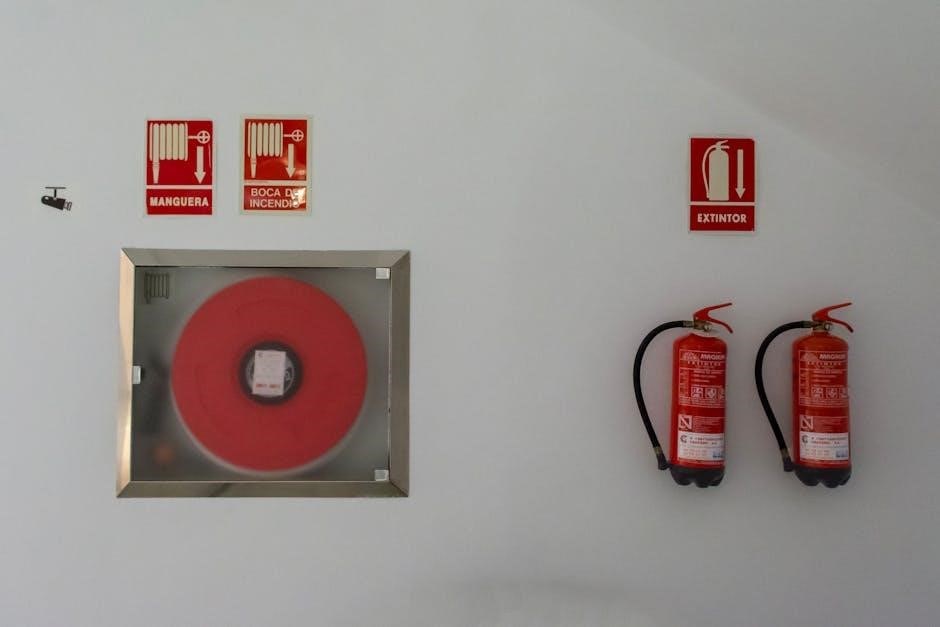
Sustaining a manual fire detection system’s reliability necessitates regular maintenance, incurring ongoing expenses․ These costs are substantially lower than those associated with automatic systems, primarily revolving around periodic inspections and functional testing․ Annual professional inspections are crucial to verify the system’s integrity and compliance with fire codes․
Functional testing of each manual call point (MCP) is essential, ensuring proper operation and communication with the control panel․ Battery backup systems, if present, require periodic replacement, typically every 3-5 years․ Labor costs for these maintenance tasks will vary depending on local service provider rates․ While minimal, costs for potential MCP replacement due to vandalism or accidental damage should also be considered․ Proactive maintenance minimizes the risk of system failure and ensures continued protection․