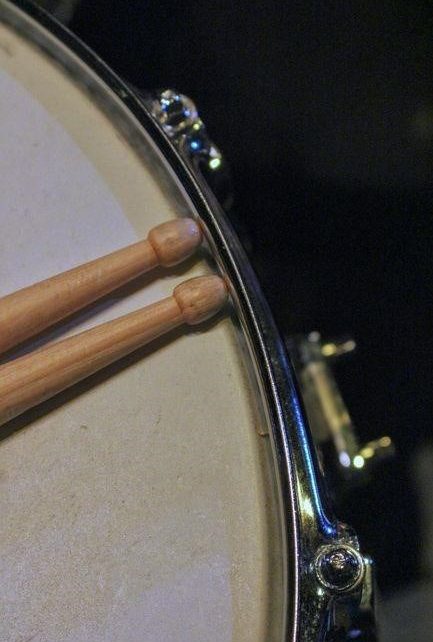
Stick control is the foundation of snare technique, shaping tone, speed, and precision․ This PDF introduces core concepts, from grip fundamentals to dynamic phrasing, guiding drummers toward tighter, more expressive playing․ Mastery starts with understanding each stick’s role․ Perfect control unlocks art․
1․1 What Is Stick Control?
Stick control is the disciplined coordination between a drummer’s hands and sticks, enabling precise articulation, dynamic contrast, and rhythmic consistency․ In snare drumming, it is the ability to execute a wide range of rudiments, accents, and subtle touch variations while maintaining steady tempo and even tone․ The PDF guide breaks the concept into manageable parts: grip, wrist movement, finger independence, and arm coordination․ A relaxed grip allows fluid motion; controlled wrist action provides speed and finesse․ Finger independence, often overlooked, is the secret to clean single strokes and nuanced rolls, and the PDF offers targeted drills to strengthen this skill․ Arm coordination ensures both hands work in harmony, preventing fatigue and promoting endurance during long performances or recording sessions․ Mastering stick control gives a snare drummer greater musicality, expressiveness, and technical proficiency, turning simple patterns into dynamic statements that resonate with audiences․ The guide also emphasizes consistent practice, proper posture, mindful breathing, and a sustainable, injury‑free playing experience․ Ultimately, stick control is not merely a set of exercises; it is a mindset that cultivates precision, confidence, and artistic freedom on the snare drum․
Practice consistency and mindful repetition transform muscle memory into effortless expression, ensuring that every note feels intentional and every groove feels alive․
By integrating these principles, drummers can elevate their performance, turning technical drills into expressive musical statements that captivate listeners․
With dedication, the PDF’s structured approach turns stick control into an enduring art form across styles!!
Why Stick Control Matters
Effective stick control sharpens timing, enhances dynamic range, and reduces fatigue․ It empowers snare drummers to execute complex patterns with precision, ensuring consistent sound across tempos․ Strong fundamentals translate into expressive, confident performances․ Tight!!
2․1 Benefits for Snare Drummers
Stick control is the cornerstone of snare drumming, offering benefits that elevate technique and musicality․ Mastering grip, wrist motion, and hand independence gives precise articulation, letting each stroke carry its intended dynamics․ This precision yields cleaner rolls, paradiddles, and complex rudiments, ensuring every note is heard distinctly․
Improved control reduces physical strain․ Proper technique distributes effort evenly across fingers, wrist, and forearm, preventing overuse injuries․ A relaxed yet firm grip delays fatigue, allowing longer practice and demanding performances without compromising tone or speed․
Enhanced rhythmic flexibility follows a solid stick foundation․ Drummers shift effortlessly between time signatures and groove feels, maintaining consistent tempo and dynamic balance․ The snare becomes a reliable anchor in ensemble settings․
Stick control fosters creative expression․ With a versatile base, drummers can experiment with dynamic swells, ghost notes, and accents, adding nuance to solos and fills․ Subtlety often defines a performance’s emotional impact․

Disciplined practice builds confidence․ Knowing each stroke is reliable lets drummers focus on phrasing instead of doubt․ This confidence translates into live settings, recordings, and collaborations, enhancing musicianship and career prospects․
Ultimately, stick control is not just a technical skill; it is the backbone of expressive snare drumming․ By consistently refining grip, timing, and dynamics, drummers develop a personal sound that stands out․ Whether in a studio, on stage, or in a rehearsal, solid stick control ensures that every performance is polished, powerful, and memorable! Play hard․
Overview of the PDF Guide
Designed for all skill levels, this guide breaks down stick control into manageable sections․ It covers basic grips, dynamic exercises, and advanced rudiments, each illustrated with step‑by‑step diagrams and practice cues․ Readers can navigate quickly via a clear table of contents and indexed sections․now
3․1 PDF Structure and Navigation
The PDF is organized into a logical flow that mirrors a drummer’s learning curve․ At the front, a concise executive summary outlines the primary objectives: improving stick speed, enhancing hand independence, and developing dynamic control․ Following the summary, a detailed table of contents lists each chapter with page references, allowing quick jumps to sections such as grip fundamentals, rudiment drills, and advanced patterns․ The next section provides a “Getting Started” guide, complete with recommended equipment, setting up a practice space, and safety tips for long sessions․ Each chapter is divided into sub‑sections that focus on specific skills․ For example, the grip chapter begins with a comparison of matched versus traditional grips, then moves to a step‑by‑step diagram of the correct hand position, and concludes with a series of warm‑up exercises․ The rudiment chapters use a consistent layout: a brief definition, a visual diagram, a recommended practice tempo, and a progression of difficulty levels․ Throughout the document, sidebars highlight key tips, common mistakes, and troubleshooting advice․ A “Practice Log” template is embedded in the final pages, encouraging users to track daily progress and set measurable goals․ Navigation is further simplified by clickable links in the PDF, enabling instant jumps to any chapter or sub‑section․ The guide also includes a glossary of terms, a list of recommended reading, and an appendix with additional resources such as video links and online communities․ By structuring the material in this way, the PDF ensures that drummers can find exactly what they need, whether they are just beginning or refining advanced techniques․ Practice consistently, and the results will follow dayand keep improving daily
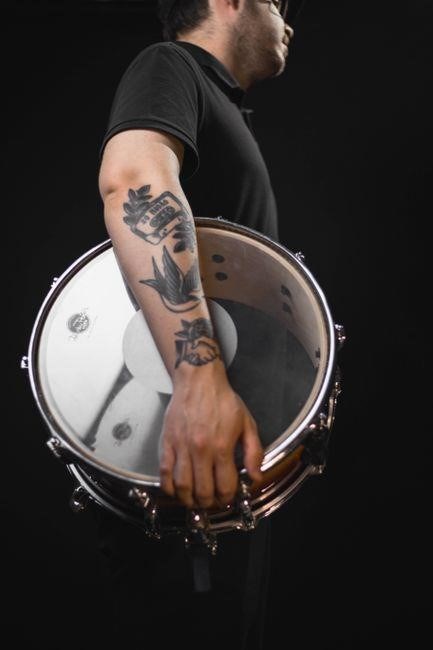
Fundamentals of Stick Control
Fundamentals of stick control focus on grip, wrist motion, and hand independence․ Proper grip balances tension, allowing fluid strokes․ Wrist action dictates speed and dynamics, while hand independence ensures coordinated patterns․ Mastering these basics builds a solid snare foundation․ Practice daily, sharp!
4․1 Grip Techniques and Hand Independence
Grip is the cornerstone of effective snare technique․ The two primary grips—matched and traditional—serve distinct purposes․ Matched grip, where both hands hold the sticks in the same orientation, offers symmetrical control and is favored for modern repertoire․ Traditional grip, with the left hand inverted, preserves the classic snare feel and is essential for jazz and marching contexts․ Mastery requires deliberate practice of hand positioning, wrist tension, and finger engagement․
- Standard matched grip: palms face each other, thumbs aligned․
- Modified matched grip: thumb tucked under the stick for increased stability․
- Traditional grip: left hand inverted, right hand matched for balance․
- Hybrid grip: combines matched wrist action with traditional left-hand feel․
Hand independence is cultivated through drills․ Begin with single-stroke rolls, ensuring strokes originate from the wrist․ Progress to alternating patterns, focusing on evenness․ Incorporate dynamic contrast by varying volume․ Use a metronome to enforce timing and record sessions for evaluation․ Practice these patterns at varied tempos to build endurance and consistency for all skill levels!!!!
Finger independence emerges when the thumb and fingers act as separate units․ Practice with isolated drills: thumb, index, middle, ring, pinky, then reverse․ This builds neuromuscular awareness, allowing rapid direction changes․ Combine with wrist rolls for fluidity․ Consistent daily practice, even in short bursts, yields measurable improvement over weeks․
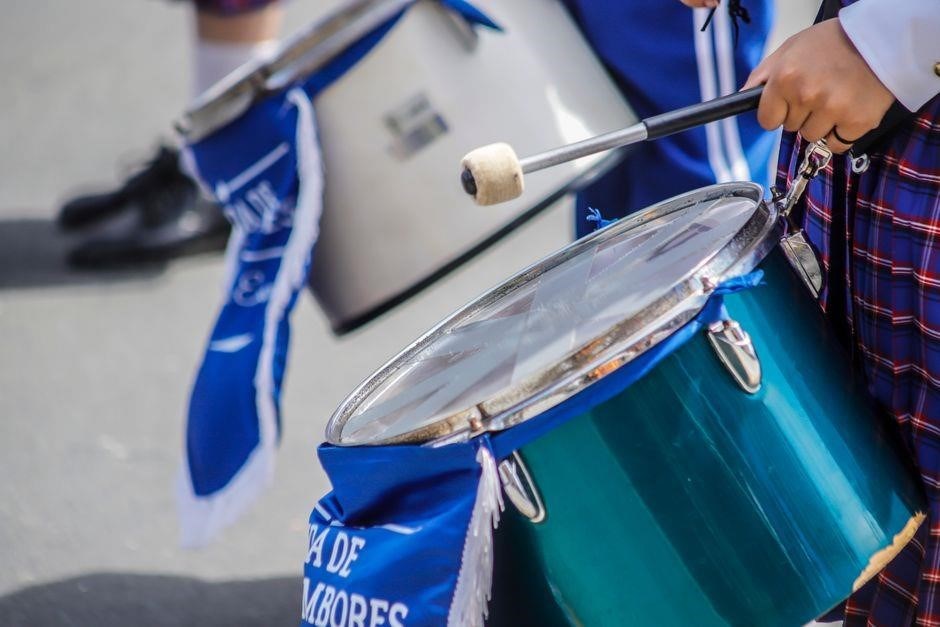
Basic Exercises Covered in the PDF
The PDF presents foundational drills such as single strokes, double strokes, paradiddles, and rudimental patterns, each designed to build speed, accuracy, and hand independence․ Exercises progress from slow, controlled practice to tempo‑challengingsequences, reinforcing muscle memory and rhythmic consistency․
5․1 Single Stroke Rolls
Single stroke rolls are the backbone of snare technique, offering a steady stream of notes that trains both wrists and forearms․ In the PDF, the section begins with a clear definition: a single stroke roll is a continuous series of alternating strokes (right-left-right-left) performed with a relaxed, efficient motion․ The guide emphasizes the importance of a firm, yet flexible grip, ensuring that each stick moves in a natural arc․ It then breaks down the roll into manageable segments, starting at a slow tempo that allows the drummer to focus on evenness and hand coordination․ By gradually increasing the metronome click, the exercise develops endurance and speed while maintaining tonal consistency․ The PDF includes visual cues—highlighted strokes, color‑coded hands, and tempo markers—to help the learner identify subtle timing differences․ It also offers variations such as the “single stroke roll with a pause,” where a brief rest is inserted after every eight notes, encouraging rhythmic precision and breath control․ Additionally, the guide presents a “dynamic single stroke roll” that alternates between forte and piano, challenging the drummer to control volume while sustaining the roll’s flow․ Throughout the section, the instructor stresses the significance of a relaxed wrist, a steady pulse, and a balanced stance․ By the end of the lesson, the reader should be able to perform a clean, even single stroke roll from 60 to 180 beats per minute, ready to incorporate it into more complex rudiments and performance pieces․ Drummers should practice this roll daily, noting how each stroke’s weight shifts with tempo changes!!
Advanced Techniques Highlighted
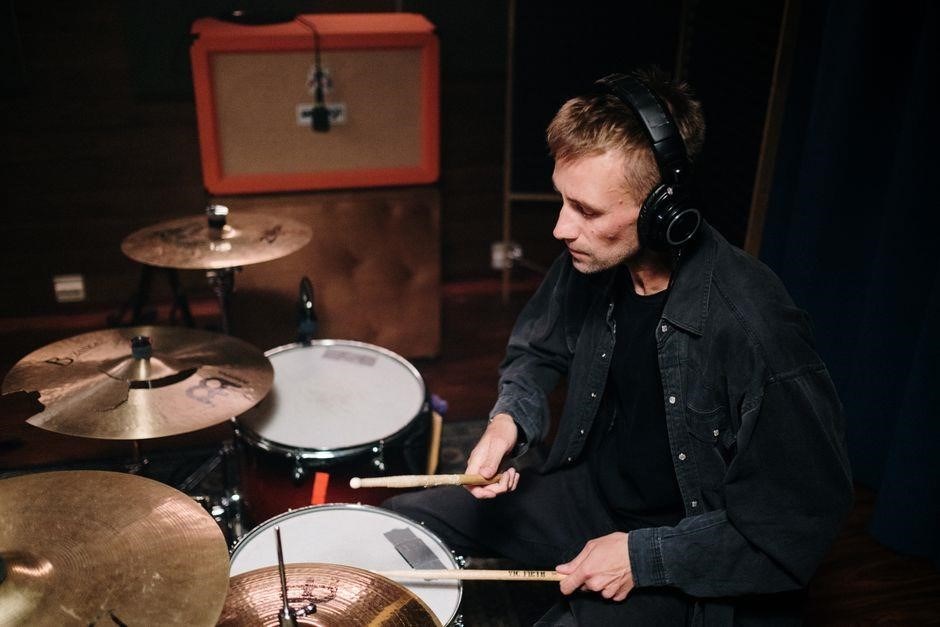
Advanced stick control explores flams, drag, and complex rudiments, pushing precision and musicality․ The PDF guides drummers through nuanced dynamics, syncopated patterns, and rapid hand independence, enabling expressive solos and tight ensemble interplay․ Practice, focus, and rhythmic precision daily!!
6․1 Flams, Drag, and Complex Rudiments
Flams, the classic embellishment, begin with a soft touch followed by a strong hit, creating a “pre‑hit” effect that adds depth to grooves․ In the PDF, drummers learn to execute flams in both single‑stroke and double‑stroke patterns, adjusting dynamics to blend seamlessly with the main rhythm․ Mastery of flams requires precise wrist control and a balanced grip, ensuring the soft stroke lands cleanly before the accented note․
Drag rudiments build on the flam concept by inserting a rapid, repeated “drag” between the main strokes․ The PDF presents drag variations—single, double, and triple—each demanding rapid finger coordination and a steady tempo․ Practicing drag drills improves hand independence, allowing drummers to maintain a steady pulse while adding ornamental flourishes․
Complex rudiments, such as paradiddles, flamacue, and ratamacue, push technical boundaries․ The guide breaks each rudiment into manageable segments, teaching gradual speed increases while preserving articulation․ By integrating these patterns into daily warm‑ups, drummers develop muscle memory that translates into fluid, expressive playing on stage or in studio sessions․
Overall, the PDF emphasizes rhythmic accuracy, dynamic contrast, and consistent tempo․ Through focused drills, learners build confidence in executing flams, drag, and complex rudiments, ultimately enhancing musicality and technical prowess across all drumming contexts․
The PDF offers tempo‑sensitive drills that push drummers to adapt flams and drag patterns across metronome changes, sharpening rhythmic precision!
Practice Routines Suggested in the PDF
Daily routines blend warm‑ups, rudiments, and dynamic drills․ Start with 5‑minute hand‑independence sets, progress to 10‑minute single‑stroke rolls, then 15‑minute double‑stroke patterns․ End with 5‑minute tempo variations, ensuring balanced growth․Add a 30‑second cool‑down stretch after each session soon․!!
7․1 Daily Warm-Ups
Before any session, a focused warm‑up primes the muscles, aligns technique, and sets the tempo for the day․ Begin with gentle wrist rotations—10 seconds each direction—to loosen the tendons․ Follow with a 30‑second metronome set at a comfortable 60–70 BPM, playing single strokes on the snare․ This establishes a steady pulse and encourages relaxed hand movement․
Next, incorporate a series of 15‑second “hand‑independence” drills․ Alternate between the left and right hands while maintaining a steady rhythm; this trains coordination and prevents dominance․ Then, move to 20‑second single‑stroke rolls, gradually increasing speed while keeping dynamics even․ Keep the sticks light, allowing natural rebound․
Afterward, perform a 10‑second “double‑stroke” exercise: two strokes per beat at 80 BPM, focusing on clean separation․ Follow with a 15‑second “triplet” pattern, ensuring each note lands with equal force․ These short bursts build control without fatigue․
Conclude the warm‑up with a 30‑second “dynamic sweep․” Play a crescendo from pianissimo to fortissimo over the 30 seconds, then decrescendo back to pianissimo․ This trains dynamic control and stick rebound․ Finish with a 5‑second cool‑down: slow, relaxed strokes at 40 BPM, letting the sticks fall naturally․
Incorporating these steps daily ensures that muscles stay supple, technique remains consistent, and the drummer is ready for any routine or performance․ Consistency is key; even a brief warm‑up prevents injury and enhances overall stick control․!!!!

and Next Steps
After immersing yourself in the PDF’s systematic approach to stick control, you’re ready to translate theory into sustained practice․ Begin by setting a clear, measurable goal—such as achieving a 120‑bpm single‑stroke roll with consistent dynamics—then schedule dedicated sessions that emphasize both speed and accuracy․ Use a metronome to anchor tempo, gradually increasing the beat while maintaining evenness across both hands․ Record your progress; playback reveals subtle timing shifts and hand‑balance issues that are otherwise invisible․ Pair the PDF’s exercises with complementary resources: video demonstrations of advanced rudiments, transcriptions of professional snare solos, and peer‑reviewed forums where you can exchange feedback․ Keep a practice log, noting dates, durations, and specific challenges; this data will guide adjustments and highlight patterns of improvement or regression․ Finally, remember that mastery is incremental; celebrate small victories, but remain patient with setbacks․ Consistent, intentional practice, coupled with reflective analysis, will elevate your snare technique to new heights․
As you integrate these drills into daily life, consider the role of mental imagery—visualizing the stick’s path, the drum’s resonance, and the groove’s flow․ This cognitive rehearsal primes muscle memory, making the physical execution feel almost automatic․ Vary your practice settings to build adaptability․ Finally, schedule periodic reviews of your recordings to track subtle improvements, ensuring each session contributes meaningfully your growth․