
What is the Blumberg T 186 Lease Agreement?
Blumberg’s T 186 is a standardized lease agreement template, a crucial document for New York rentals, specifically designed for apartments within two-to-five family dwellings.
This form, offered by Blumberg Legal Forms, formalizes the rental arrangement, outlining rights and responsibilities for both landlords and tenants, ensuring legal clarity.
It’s a plain English format, prepared by Arnold Mandell, LLB, and is readily available as a T 186-Apartment lease, simplifying the leasing process for all parties involved.
Overview of the Form
The Blumberg T 186 lease agreement form serves as a comprehensive and legally recognized contract between a landlord and a tenant for residential properties in New York State. Specifically tailored for apartments within two-to-five family dwellings, this document meticulously details the terms and conditions governing the tenancy.
It’s presented in a clear, plain English format, crafted by legal professional Arnold Mandell, LLB, aiming to minimize ambiguity and ensure both parties fully understand their obligations. The T 186 isn’t merely a template; it’s a structured framework covering essential elements like the premises description, lease term, rent amount, security deposit details, and crucial disclosures required by New York law.
Available as a PDF, the form facilitates a standardized approach to leasing, reducing potential disputes and providing a solid legal foundation for the landlord-tenant relationship. It’s a cornerstone document for responsible property management and tenant protection within the New York rental market.
Purpose of the T 186 Form
The primary purpose of the Blumberg T 186 lease agreement form is to establish a legally binding agreement outlining the rights and responsibilities of both landlords and tenants. This form specifically caters to apartment rentals within two-to-five family dwellings in New York State, providing a standardized structure for these arrangements.
It aims to prevent misunderstandings and disputes by clearly defining crucial aspects of the tenancy, including rent payments, lease duration, property maintenance, and security deposit handling. By utilizing this document, landlords ensure legal protection and tenants gain clarity regarding their housing rights.
The T 186 also facilitates compliance with New York State landlord-tenant laws, incorporating necessary disclosures and provisions. Ultimately, its purpose is to create a transparent and enforceable rental agreement, fostering a secure and predictable housing experience for all involved parties.
Who Uses the Blumberg T 186?
The Blumberg T 186 lease agreement form is primarily utilized by landlords and tenants involved in residential rental agreements within New York State, specifically for apartments located in buildings containing two to five family dwellings. Landlords employ the form to legally document the terms of the tenancy, protecting their property rights and financial interests.
Tenants, conversely, use the T 186 to understand their rights and obligations as renters, ensuring a clear understanding of the rental agreement’s stipulations. Property management companies also frequently utilize this standardized lease to maintain consistency across their rental properties.
Legal professionals may recommend or assist clients in completing the form, ensuring full compliance with New York State laws. Essentially, anyone participating in a rental transaction within the specified property type can benefit from using the Blumberg T 186.
Key Components of the T 186 Lease Agreement
The T 186 meticulously details crucial elements: premises description, lease term, rent payment specifics, and security deposit information, forming a comprehensive rental contract.
Premises Description
The T 186 lease agreement demands a precise and thorough description of the leased premises. This isn’t simply an address; it requires detailing the specific apartment number, and potentially including any additional spaces included in the rental, such as a basement storage unit or parking spot.
Accuracy is paramount here, as this description legally defines what the tenant is renting. The form necessitates clarity to avoid future disputes regarding the boundaries of the leased property. A well-defined premises description minimizes ambiguity and establishes clear expectations for both landlord and tenant.
Furthermore, the description should note any included fixtures or appliances, ensuring a complete record of the property’s condition at the lease’s inception. This detailed approach contributes to a legally sound and transparent rental agreement, protecting the interests of all involved parties.
Term of the Lease
The Blumberg T 186 lease agreement explicitly defines the lease term, establishing the commencement and termination dates of the rental agreement. This section is critical, as it dictates the duration for which the tenant has the right to occupy the premises and the landlord’s obligation to provide housing.
Typically, New York leases are for a fixed period, commonly one year, but the T 186 form allows for flexibility in specifying alternative durations. The agreement should clearly state whether the lease automatically renews upon expiration, and if so, under what conditions.
Precise dates are essential to avoid ambiguity. A clearly defined term protects both parties, outlining their rights and responsibilities for the specified period, and providing a framework for any potential lease renewal negotiations.
Rent and Payment Details
The Blumberg T 186 lease agreement meticulously outlines the rent amount, specifying the total monthly payment required from the tenant. This section details not only the monetary value but also the acceptable methods of payment – for example, check, money order, or electronic transfer.
Crucially, the form clarifies the due date for rent, preventing misunderstandings and potential late fees. It also addresses the consequences of late payment, including any associated penalties as stipulated by New York state law.
Furthermore, the T 186 may include provisions for rent increases, outlining any pre-determined adjustments during the lease term, ensuring transparency and legal compliance for both landlord and tenant regarding financial obligations.
Security Deposit Information
The Blumberg T 186 lease agreement comprehensively addresses security deposit details, a critical aspect of New York rental law. It specifies the exact amount of the security deposit required from the tenant, adhering to state regulations regarding maximum deposit limits.
The form clearly outlines the conditions under which the security deposit may be withheld, typically for damages beyond normal wear and tear, or unpaid rent. It also details the landlord’s obligations regarding deposit storage, often requiring it to be held in an interest-bearing account.
Importantly, the T 186 specifies the timeframe within which the landlord must return the security deposit, along with an itemized list of any deductions, ensuring tenant rights are protected and legal requirements are met.
Legal Considerations for New York Leases
New York State landlord-tenant laws heavily influence the T 186, demanding specific disclosures and compliance with housing regulations for legally sound rental agreements.
New York State Landlord-Tenant Laws
New York’s robust landlord-tenant laws significantly shape the T 186 lease agreement, dictating the rights and responsibilities of both parties involved in a rental arrangement. These laws cover a wide spectrum of issues, including rent control, eviction procedures, security deposit regulations, and habitability requirements.
Landlords must adhere to strict guidelines regarding property maintenance, ensuring a safe and livable environment for tenants. Conversely, tenants are obligated to pay rent on time and avoid damaging the property. The T 186 form is designed to incorporate these legal mandates, providing a framework for a legally compliant lease.
Understanding these laws is crucial for both landlords and tenants to avoid potential disputes and ensure a smooth rental experience. Failure to comply can result in legal repercussions, emphasizing the importance of a well-drafted lease agreement aligned with New York State regulations.
Required Disclosures in New York Leases
New York State law mandates specific disclosures within lease agreements like the T 186 form, protecting tenants and ensuring transparency. These disclosures cover critical information landlords must provide before or at the lease signing.
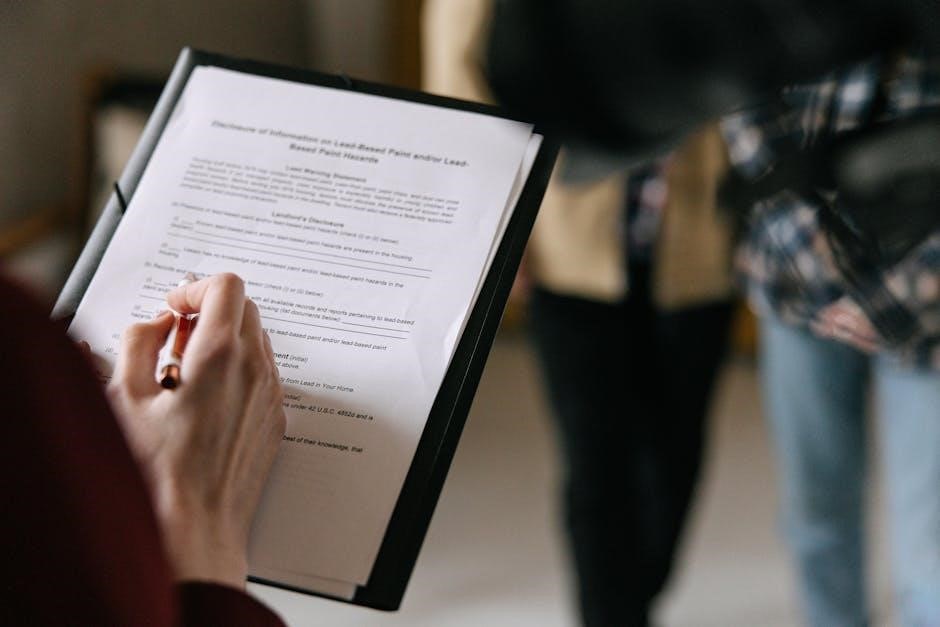
Key disclosures include information about lead-based paint, particularly in properties built before 1978, requiring a specific EPA-approved pamphlet. Landlords must also disclose any known mold conditions or pest infestations. Furthermore, disclosure of the landlord or property owner’s name and address is legally required.
Failure to provide these disclosures can lead to legal consequences for landlords. The T 186 often includes sections dedicated to these disclosures, or landlords must attach separate disclosure forms, guaranteeing full compliance with New York regulations and tenant rights.
Compliance with Housing Regulations
Utilizing the Blumberg T 186 lease agreement doesn’t automatically guarantee compliance with all New York housing regulations; it’s a tool, but landlords bear the responsibility. The form itself aims to facilitate adherence to key laws, but ongoing vigilance is essential.
Landlords must ensure their properties meet habitability standards, including safe and sanitary conditions, functioning essential services, and adherence to local building codes. Regular inspections and prompt repairs are crucial. Rent control or stabilization laws, if applicable, must be strictly followed.
Furthermore, landlords must comply with anti-discrimination laws, ensuring fair housing practices. The T 186 assists in outlining these responsibilities, but staying updated on evolving regulations is paramount for legal operation and tenant well-being.
Accessing and Completing the T 186 Form
You can obtain the T 186 PDF online, then utilize a PDF editor to modify the document, adding details and signatures as needed.
Simply hit “Get Form” to access the editor and customize the lease agreement, ensuring all sections are accurately completed before finalizing.
Where to Find the T 186 PDF
Locating the Blumberg T 186 lease agreement PDF is the first step in establishing a legally sound rental agreement in New York. Several online resources provide access to this essential document. FormsPals is a frequently cited catalog where users can find and download the T 186 form.
Additionally, a quick internet search for “Blumberg T 186 lease agreement pdf” will yield numerous results, often linking to websites offering the form for download. It’s important to ensure the source is reputable to guarantee you’re using the most current and accurate version of the form.
Blumberg Legal Forms themselves are the primary source, and their website is a reliable location to acquire the official T 186 PDF. Be cautious of unofficial sources that may offer outdated or incomplete versions, potentially leading to legal complications. Always verify the form’s publication date and ensure it aligns with current New York state laws.
Filling Out the Form – Step-by-Step
Completing the Blumberg T 186 lease agreement PDF requires careful attention to detail. Begin by downloading the form and utilizing a PDF editor to add information digitally. Start with identifying the landlord and tenant details, including full legal names and contact information.
Next, meticulously describe the premises, specifying the apartment number and address. Clearly define the lease term – start and end dates – and the agreed-upon rent amount, along with payment procedures. Don’t forget to detail the security deposit amount and conditions for its return.
Carefully review and complete all sections, including clauses regarding late fees, maintenance responsibilities, and subletting policies; Utilize the “Get Form” button on relevant websites to access editing tools. Ensure all signatures and dates are present before finalizing the document.
Using PDF Editing Tools

Effectively completing the Blumberg T 186 lease agreement PDF often necessitates utilizing robust PDF editing tools. These tools allow for direct input of text into designated fields, eliminating the need for handwritten entries. Features like adding dates, inserting images (if required), and utilizing various editing functionalities streamline the process.
Popular PDF editors offer functionalities to highlight important clauses, add comments, and even digitally sign the document, ensuring legal validity. Some platforms provide form-filling assistance, guiding you through each section of the T 186 form.
Remember to save your progress frequently and download a finalized, fully executed copy for your records. Utilizing these tools ensures accuracy and professionalism when preparing your lease agreement.
Understanding Specific Clauses
The T 186 meticulously details crucial aspects like late payment penalties, maintenance responsibilities, and policies regarding subletting or assigning the lease agreement.
Late Payment Penalties
The Blumberg T 186 lease agreement typically includes a specific clause addressing late payment penalties, a vital component for landlords seeking to enforce timely rent collection. This section clearly outlines the consequences tenants face when rent isn’t received by the due date stipulated within the lease.
Often, the T 186 form specifies a grace period, a short timeframe after the due date where no penalty is applied. However, once this period expires, late fees are triggered; These fees are usually expressed as a fixed dollar amount or a percentage of the overdue rent.
It’s crucial that the penalty amount complies with New York State law, as excessively high fees may be deemed unenforceable. The lease agreement should explicitly state how and when late fees will be assessed, providing tenants with clear expectations and minimizing potential disputes. Proper documentation of late payments and fee assessments is also essential for landlords.
Maintenance and Repairs Responsibilities
The Blumberg T 186 lease agreement meticulously details the maintenance and repair obligations of both landlords and tenants, a critical aspect of a successful rental relationship. Generally, landlords are responsible for maintaining the structural integrity of the property, including essential systems like plumbing, heating, and electrical.
This includes addressing issues that affect habitability, ensuring the apartment meets New York State housing standards. Tenants, however, are typically responsible for maintaining cleanliness and preventing damage beyond normal wear and tear.
The T 186 form often specifies procedures for reporting maintenance issues and outlines the timeframe landlords have to respond. It’s vital that the lease clearly defines what constitutes a landlord’s responsibility versus a tenant’s, preventing misunderstandings and potential legal conflicts. Documenting all repair requests and responses is highly recommended.
Subletting and Assignment Policies
The Blumberg T 186 lease agreement commonly addresses subletting and assignment, outlining the conditions under which a tenant can transfer their lease obligations to another party. Landlords often retain the right to approve any proposed subtenant or assignee, ensuring they meet specific criteria.
Many T 186 forms include clauses prohibiting subletting altogether, or requiring written consent from the landlord for any such arrangement. Assignment, which involves transferring the entire lease to another tenant, typically requires more stringent landlord approval.
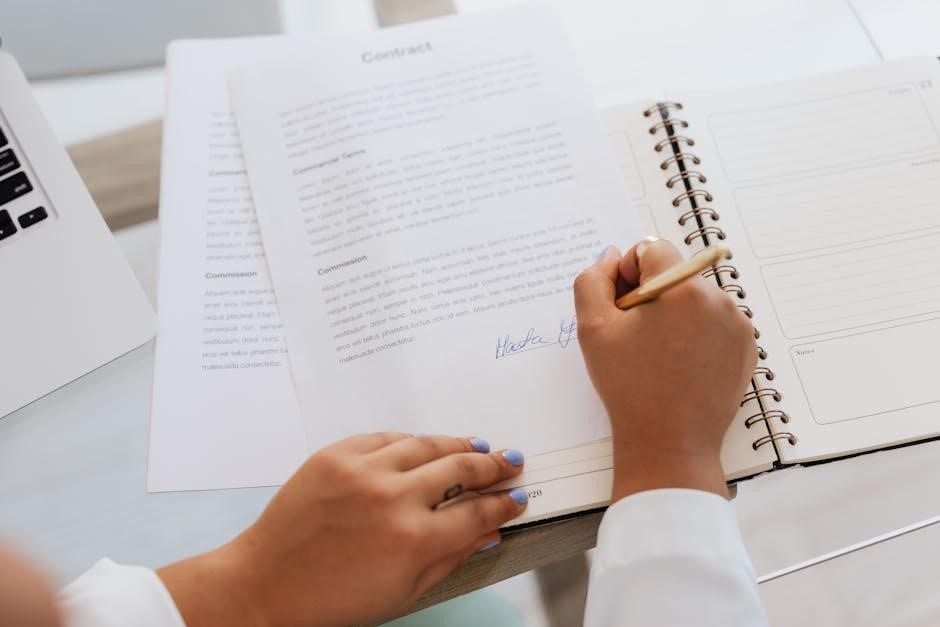
The lease should clearly state any fees associated with subletting or assignment, and the consequences of violating these policies. Understanding these provisions is crucial for tenants considering transferring their lease, as unauthorized subletting can lead to eviction.
Alternatives to the Blumberg T 186
Other New York lease forms and online services offer options, but consulting a legal professional ensures your lease agreement fully complies with state laws.
Other New York Lease Agreement Forms
Beyond the Blumberg T 186, several alternative New York lease agreement forms cater to diverse rental situations. These include standardized forms from legal product providers, often available online or at legal supply stores. Many offer variations tailored to specific property types, such as single-family homes or commercial spaces, differing from the T 186’s focus on 2-5 family dwellings.
Furthermore, general lease agreement templates can be found online, though their suitability for New York law requires careful review. These often lack the specific clauses and disclosures mandated by New York State landlord-tenant laws. It’s crucial to verify any template aligns with current regulations to avoid potential legal issues.
FormsPals, for example, catalogs various lease options. However, relying solely on generic templates without legal counsel is risky. The T 186’s strength lies in its New York-specific design, offering a solid foundation for a legally sound rental agreement.

Online Lease Creation Services
Numerous online lease creation services offer a convenient alternative to manually completing the Blumberg T 186 or other standard forms. These platforms typically guide users through a questionnaire, automatically generating a lease agreement tailored to their specific needs and location – New York, in this case.
These services often include features like built-in e-signature capabilities, tenant screening tools, and rent collection options, streamlining the entire leasing process. However, it’s vital to carefully evaluate the service’s compliance with New York State landlord-tenant laws and ensure the generated lease includes all required disclosures.
While offering efficiency, these services may not always provide the same level of customization or legal nuance as a lease drafted or reviewed by a qualified attorney. Always double-check the final document before signing, and consider consulting legal counsel for complex situations.
Consulting with a Legal Professional
For landlords and tenants navigating the complexities of a Blumberg T 186 lease agreement, or any New York lease, consulting with a legal professional is highly recommended. An attorney specializing in landlord-tenant law can provide invaluable guidance, ensuring the agreement fully complies with all applicable state and local regulations.
They can review the lease for potential ambiguities, advise on specific clauses, and help mitigate risks. This is particularly crucial for unique rental situations or when dealing with complex property arrangements. A lawyer can also assist with dispute resolution should any issues arise during the tenancy.
While online resources and templates like the T 186 PDF are helpful, they shouldn’t replace personalized legal advice. Investing in legal counsel can prevent costly errors and protect your rights.